- Stress and anxiety
- Relationship issues
- Psychodynamic ideas
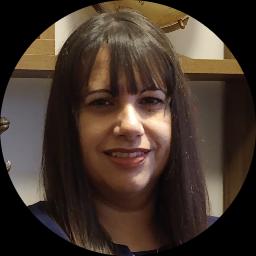
About Paula
She offers a listening, person-centred approach that aims to put the person's priorities first. Sessions are used to talk through current problems and to develop practical coping skills. Paula draws on psychodynamic ideas too, which can help uncover patterns from the past that affect present choices.
In practice she helps people untangle complex feelings so they can make clearer decisions. That might mean working on communication, coping with grief, managing anxiety, or handling stress that comes from care roles or health changes. She also supports people dealing with body image, eating concerns, and identity issues such as LGBT matters.
Paula describes counselling as a process. She works at a pace set by the person and focuses on building a trusting, non-judgemental therapeutic relationship. Her interest in attachment and abandonment themes can be useful when past relationships continue to affect wellbeing.
People who are juggling caregiving, chronic illness, cancer, or the practical impacts of ageing may find the sessions relevant. She accepts international clients and runs sessions within a subscription model that can be cancelled at any time.
Areas of expertise
Primary focus
Also works with
Additional focus areas
Therapeutic approaches
Experience
4+ years
Credentials
BACP · United Kingdom
Languages
English
Therapeutic approaches and working online
Paula works mainly from a client-centred perspective. That means conversations focus on what matters to the person and the counsellor follows their lead to explore feelings and choices. Client-centred work is often helpful for worries about life changes, grief, stress and relationship difficulties.She also uses psychodynamic ideas to look at repeated patterns of thinking and relating. This approach can help when past experiences keep affecting current relationships or responses, such as attachment and abandonment issues.
Finding the right approach is part of the work together. Paula will discuss options in early sessions and adjust the way she works to match the person's needs, goals and preferences. The decision is collaborative and reviewed as therapy progresses.
The therapist's biography does not list specific session formats, so please confirm available options before booking. Online sessions can make it easier to fit therapy around care duties, appointments, mobility limits or busy days, and can reduce travel time. They also allow for shorter check-ins or regular meetings without needing to leave home, which many people find practical when coping with health issues or caregiving commitments.
Frequently asked questions
What kinds of concerns does she work with?
She works with stress, anxiety, relationship and family matters, trauma and abuse, grief, eating and body image concerns, caregiver stress, health-related issues, and ageing and geriatric issues.
How would you describe her therapeutic style?
Paula uses a person-centred approach that is led by the client. She also draws on psychodynamic ideas to look at how past experiences affect present patterns.
How much experience does she have?
She has four years of professional experience working as a counsellor in the UK.
What are her credentials and where is she based?
She is registered with the British Association for Counselling and Psychotherapy (BACP) and is based in the United Kingdom.
Can sessions be conducted in other languages or internationally?
Sessions are offered in English and she accepts international clients.
What session formats are offered?
The original biography does not specify session formats. Please confirm current session options before booking.
How does payment and cost work?
Costs vary with location and sessions use a subscription that can be cancelled at any time.
How do I begin working with her?
Select the See online therapy options button, complete a short matching questionnaire, and schedule a first session.