- Depression and anxiety
- Caregiver and aging issues
- Relationship communication
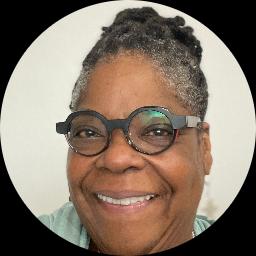
About Orlise
She focuses on practical conversation and clear goals. Sessions often include noticing patterns, trying different ways of coping, and learning communication skills. She pays attention to cultural background and life stage when discussing choices and next steps.
Clients who come for relationship or intimacy concerns talk about improving communication and handling commitment or blended family issues. Those facing chronic illness, caregiving strain, or late-life transitions work on managing stress and finding steady routines. People with mood disorders explore mood management and day-to-day tools.
Dr. Aubrey uses several therapeutic methods, such as Acceptance and Commitment Therapy, Cognitive Behavioral Therapy, Dialectical Behavior Therapy, Emotionally-Focused Therapy, and Client-Centered Therapy. She picks techniques that match each person’s situation and goals instead of using one fixed method.
Her work includes coaching elements when clients want concrete steps for change. She supports people dealing with abandonment, adoption and foster care questions, body image, codependency, and communication problems. The emphasis is on practical steps a person can use between sessions.
In conversations about aging and geriatric issues she addresses changes in role, loss, caregiving responsibilities, and planning for life transitions. Prospective clients are asked to confirm current session options and any session format details before booking.
Areas of expertise
Primary focus
Also works with
Additional focus areas
Therapeutic approaches
Experience
38+ years
Credentials
Louisiana
Languages
English
Therapeutic approaches used for online sessions
Acceptance and Commitment Therapy helps people notice thoughts and feelings without getting stuck in them. It encourages choosing actions that match personal values, which can help with depression, anxiety, and life changes.Cognitive Behavioral Therapy looks at how thoughts, feelings, and behaviors connect. It teaches practical skills to reframe unhelpful thoughts and change small behaviors, which can reduce anxiety and manage mood symptoms.
She treats the choice of approach as a collaborative decision. The therapist will talk with each person about goals and preferences, and together they will try methods that fit the problem and the person’s everyday life.
Session formats were not detailed in the biography, so please confirm which options are offered before booking. Online sessions can make it easier to fit therapy into a busy week, allow shorter check-ins when needed, and reduce travel time. Some people find phone sessions use less bandwidth and are simpler to join, while video sessions support face-to-face conversation and nonverbal cues. The focus is on finding ways to make regular work on coping skills and communication fit into daily routines.
Frequently asked questions
What concerns does she address related to later life?
She works with aging and geriatric issues such as role changes, grief, caregiving stress, and planning for life transitions.
What is her therapy style like?
She focuses on practical conversation, noticing patterns, and teaching coping and communication skills tailored to each person.
How much experience does she have?
She has 38 years of clinical experience working with adults on mood, relationship, and life-change concerns.
What are her credentials and where does she practice?
She is an LCSW - Licensed Clinical Social Worker - practicing in Louisiana.
Can I work with her if I live outside the U.S.?
International clients are accepted. Sessions are offered in English.
What session formats are available?
Session formats were not specified in the biography. Please confirm current session options before booking.
How are sessions billed?
Cost varies with location and sessions use a subscription that can be canceled at any time.
How do I begin working with her?
Select the See online therapy options button, complete a short matching questionnaire, and schedule a first session.