- Client-centered listening
- Cognitive behavioral tools
- Addiction and grief
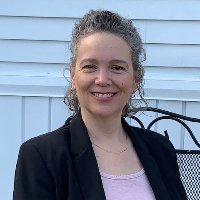
About Nicole
Nicole has worked in inpatient psychiatric settings, outpatient therapy, and as a social worker with a foster family agency. She is also a college professor and draws on that teaching experience when explaining therapy concepts. Her clinical work blends client-centered listening with evidence-informed techniques so people understand what happens in sessions.
In practice she uses client-centered therapy to build a genuine working relationship. She listens for each person’s story and life experience, then partners with them to set goals. Cognitive behavioral therapy is used to identify activating events and the self-talk that can increase distress. That approach leads to concrete steps people can try between sessions.
Motivational interviewing is part of her toolkit when people want to change habits or address addictions. She also integrates ideas from psychodynamic therapy to look at longer-standing patterns that affect current life. Across approaches she explains concepts in clear, everyday language so people know what to expect.
Nicole welcomes talking with adults about caregiver stress, loneliness, body image, ADHD, parenting challenges, and coping with major life changes. She asks questions, offers practical strategies, and helps people choose what to work on first.
Areas of expertise
Primary focus
Also works with
Additional focus areas
Therapeutic approaches
Experience
11+ years
Credentials
New Jersey
Languages
English
How her therapeutic approaches work online
Client-centered therapy focuses on a respectful working relationship. It emphasizes listening to a person’s life story and responding with genuine attention so goals are clear and agreed on. This approach helps when coping with loss, loneliness, caregiver strain, or the emotional impact of aging.Cognitive behavioral therapy (CBT) looks at activating events, the self-talk that follows, and the behaviors that maintain distress. CBT offers practical strategies to change unhelpful thought patterns and try new behaviors between sessions. Motivational interviewing supports people who are weighing a change, such as addressing substance use or building new routines.
Finding the right approach is part of the work. The therapist will discuss what matters to the person, what has or hasn’t helped before, and then recommend which methods to try. That decision is collaborative and can be adjusted as progress is made.
The biography does not specify which online session formats are offered, so confirm the available options before booking. Online sessions can make it easier to fit meetings into a day, reduce travel, and allow shorter check-ins when needed. They also let people choose a setup that best fits their schedule and communication preferences.
Frequently asked questions
What issues does she help with related to later life?
She works with stress, grief, caregiver stress, isolation and aging and geriatric issues among other concerns that come up later in life.
What is her therapeutic style?
Her style blends client-centered listening with cognitive behavioral techniques and motivational interviewing. Sessions focus on understanding life experience and on practical steps to try between meetings.
How long has she practiced?
She has 11 years of clinical experience as a licensed counselor in New Jersey and has worked in inpatient and outpatient settings as well as in social work.
What are her credentials and where is she located?
She is an LPC licensed in New Jersey. Her practice and professional background are based in New Jersey.
Does she see people who speak other languages or international clients?
Sessions are offered in English. She is not currently accepting international clients.
What session formats are available?
The biography does not list specific session formats. Please confirm current session options before scheduling.
How much do sessions cost?
Cost varies with location and sessions use a subscription that can be canceled at any time.
How do I begin if I want to meet with her?
Start by selecting the See online therapy options button, complete a short matching questionnaire, and schedule your first session.