- Attachment-based work
- CBT techniques
- Relationship counselling
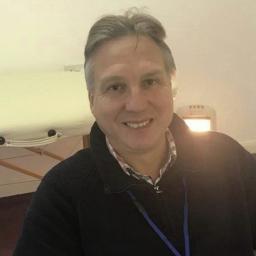
About Malcolm
Clients can expect straightforward, spoken therapy that adapts to the problem at hand. Malcolm uses a range of methods and chooses approaches that fit each person's situation. He has lived experience of mental health and a long background in the health field that informs his work.
He blends talking therapies with practical steps. Sessions aim to identify patterns, try different ways of responding, and build clearer routines for day-to-day life. He also offers relationship counselling and works on communication and conflict where that is relevant.
Malcolm has written about living well and keeps clinical supervision each month. He offers face-to-face and video-link work, and walk-and-talk sessions when that format suits a client. He asks people to choose the way they want to work and to review progress as therapy continues.
Fees vary by location and use a subscription model that can be cancelled at any time. To begin, prospective clients complete a short matching questionnaire and book a first session through the online options button. Malcolm aims to be approachable and practical in his approach to later-life issues and other concerns.
Areas of expertise
Primary focus
Also works with
Additional focus areas
Therapeutic approaches
Experience
14+ years
Credentials
NCPS · United Kingdom
Languages
English
Therapeutic approaches and remote sessions
Attachment-based work looks at how early relationships shape current patterns. It helps people understand trust, closeness and how they react in relationships. Client-centred therapy places the person at the centre of sessions and focuses on listening and reflecting; it suits people who want a supportive conversational style. Cognitive behavioural therapy (CBT) breaks problems into thoughts, feelings and behaviours and offers practical exercises to reduce anxiety, improve sleep and change unhelpful habits.Finding the right approach is part of the work together. The therapist will discuss goals, try methods that match those goals, and review what is helping. This is a collaborative process where plans are adjusted as needs change.
The biography notes video-link work and walk-and-talk sessions as offered formats and also mentions face-to-face meetings. Confirm which session types are currently available before booking. Remote sessions can make it easier to fit therapy into daily life, reduce travel time, and allow a shorter check-in when needed. Walk-and-talk sessions can suit people who prefer movement during conversation, while video-link sessions let someone be present without going to an appointment.
Frequently asked questions
What concerns does he address?
He works with stress, anxiety, addictions, trauma, depression, relationship and intimacy issues, grief, sleep and eating problems, parenting, anger, bipolar, ADHD and aging and geriatric issues.
What is his therapeutic style?
He practises an integrative, practical style and selects methods to suit the person and their problem. Sessions focus on talking through patterns and trying different ways of responding.
How much experience does he have?
He has 14 years of clinical experience and a long background working in health, plus lived experience of mental health.
What credential does he hold and where is he based?
He holds the NCPS credential and is based in the United Kingdom.
Which languages are supported?
Sessions are offered in English and he accepts international clients.
What session formats are available?
The biography states face-to-face, video-link and walk-and-talk sessions are offered; confirm current session options before booking.
How are fees handled?
Fees vary with location and sessions use a subscription that can be cancelled at any time.
How do I begin working with him?
Use the See online therapy options button, complete a short matching questionnaire, and schedule a first session.