- Stress and anxiety
- Grief and loss
- Caregiver issues
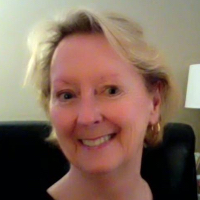
About Margaret
She uses straightforward talk therapy alongside evidence-informed methods. Margaret integrates Cognitive Behavioral Therapy (CBT) and Acceptance and Commitment Therapy (ACT) with client-centered listening. Sessions include practical tools such as mindfulness, relaxation exercises, and skills for managing sleep, anger, or substance use.
Her work with relationships emphasizes communication and emotional connection. She uses elements of Emotionally-Focused Therapy (EFT) when couples or partners are involved, and she supports people processing loss, end-of-life matters, or chronic health changes. Parenting and blended-family stress are also addressed in concrete ways.
Margaret describes herself as attentive to cultural and faith differences. She notes a Christian background but respects other beliefs. That perspective informs how she talks with people about values, meaning, and coping.
Practical coaching and psychotherapy are both offered, with an eye to resolving the issue that causes the most distress. The aim is to identify manageable steps and daily practices that fit each person’s life. Prospective clients are guided through a short matching process before scheduling a first session.
Areas of expertise
Primary focus
Also works with
Additional focus areas
Therapeutic approaches
Experience
34+ years
Credentials
Texas
Languages
English
How her approaches work for online sessions
Acceptance and Commitment Therapy (ACT) focuses on practical action tied to personal values. It helps people face hard emotions while making small, meaningful changes in daily routines. Cognitive Behavioral Therapy (CBT) looks at unhelpful thoughts and habits and teaches skills to change them, which can help with anxiety, sleep, and mood problems. Emotionally-Focused Therapy (EFT) concentrates on emotions and connection in close relationships and can be useful when couples or partners want clearer communication.Choosing an approach is collaborative. The therapist will talk with the client about current problems, goals, and what feels useful. Together they will try methods and adjust the plan based on what helps in regular sessions.
Session formats in the original biography include messaging, phone or live chat, and video, but prospective clients should confirm current session options before booking. Online work can make it easier to fit appointments into a busy week, allow shorter check-ins by phone or chat, reduce travel time, and let people use video when a face-to-face style is preferred. Therapists help shape sessions so techniques like CBT exercises, mindfulness practices, or ACT tasks fit into everyday life without promising a specific result.
Frequently asked questions
What concerns does she address related to later life?
She lists aging and geriatric issues alongside caregiver stress, chronic illness, grief, and end-of-life concerns.
How would you describe her therapy style?
She uses talk therapy combined with CBT, ACT, mindfulness, and relaxation techniques to teach practical coping skills.
How much experience does she bring?
She has worked in mental health for 34 years and has maintained a private practice for 29 years.
Where is she licensed and based?
She is a Licensed Professional Counselor (LPC) in Texas and practices from that state.
What languages are sessions offered in?
Sessions are offered in English.
Can international clients work with her?
She accepts international clients.
How are sessions paid for and what does cost look like?
Cost varies with location and sessions use a subscription that can be canceled at any time.
How do I begin the process?
Select the See online therapy options button, complete the short matching questionnaire, and schedule a first session.