- Anxiety and depression
- Addictions support
- Caregiver stress
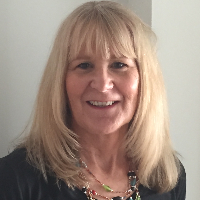
About Linda
Her sessions tend to center on practical skills and straightforward conversation. She draws on Cognitive Behavioral Therapy (CBT) to help people notice and change unhelpful thinking and behavior patterns. Dialectical Behavior Therapy (DBT) skills are used to teach emotional regulation and distress tolerance when feelings feel overwhelming.
Linda uses Client-Centered Therapy to keep the work grounded in each person’s priorities. Mindfulness tools are introduced to help with sleep, anxiety, and staying present. Motivational Interviewing helps people who are managing substance use or considering change to find their own reasons to act.
She has worked across clinical settings for three decades, helping people with co-occurring mental health and substance use challenges as well as mood disorders and trauma. Sessions emphasize clear steps and coping tools rather than abstract theory. Linda encourages collaborative planning so goals are realistic and measurable.
Many people seek her out when facing midlife change, caregiving burdens, or loneliness later in life. She also consults with adults dealing with intimacy-related issues, parenting stress, and process addictions. For those preparing to start work together she asks clients to identify immediate priorities and practical obstacles before the first session.
Areas of expertise
Also works with
Additional focus areas
Therapeutic approaches
Experience
30+ years
Credentials
Florida
Languages
English
Approaches used in remote sessions and how they help
Client-Centered Therapy puts the person’s priorities first and shapes sessions around what matters most to them. It helps when someone needs straightforward listening and practical planning rather than a fixed program.Cognitive Behavioral Therapy (CBT) focuses on identifying unhelpful thoughts and testing new behaviors. It is useful for anxiety, depression, sleep problems, and some forms of compulsive behavior. Dialectical Behavior Therapy (DBT) teaches skills for managing strong emotions and improving distress tolerance, which can be helpful for mood instability and relationship stress.
Choosing the right approach is part of the work together. The therapist will talk through goals, try a few techniques, and adjust plans based on what helps. That collaboration means the methods used can change as needs and priorities shift.
Confirm the specific session formats before scheduling since they are not listed here. Online options can make it easier to fit therapy around caregiving duties, medical appointments, or limited travel. Some formats require less bandwidth or are shorter check-ins, which can help when time or attention is limited.
Frequently asked questions
What kinds of problems does she help with?
She works with stress, anxiety, depression, addictions, grief, trauma, relationship and family concerns, and aging and geriatric issues among other areas.
What is her therapy style like?
She focuses on practical skills and collaborative planning. Sessions commonly include CBT, DBT skills, mindfulness, and client-centered conversation.
How much experience does she have?
Linda has 30 years of clinical experience working in a variety of settings with mood disorders, substance use, and life transitions.
What are her credentials and where is she based?
She is a Licensed Clinical Social Worker, FL LCSW, and practices in Florida.
Which languages are supported?
Sessions are offered in English.
Can I choose a session format like phone or video?
Confirm current session options before booking, as formats are not specified here.
How are fees handled?
Cost varies with location and sessions use a subscription that can be canceled at any time.
How do I begin working with her?
Select the See online therapy options button, complete a short matching questionnaire, and schedule a first session.