- Stress and anxiety
- Addictions support
- CBT and mindfulness
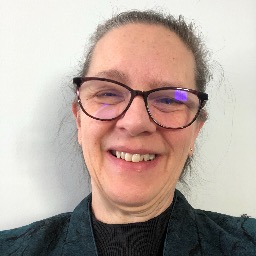
About Linda
She often draws on cognitive approaches that focus on shifting unhelpful thinking and on learning new behaviors. Linda also uses client-centered and emotionally-focused ideas to help people name and process feelings. Motivational interviewing and mindfulness techniques are part of her toolbox when people need help finding reasons to change or calming practices to reduce tension.
Linda has worked in hospitals, residential treatment centers, and outpatient settings. That background means she is used to supporting people through medical, recovery, and life transition challenges. She has experience seeing a wide age range, and she describes supporting individuals from adolescence into later life.
In sessions she emphasizes practical steps - talking through a problem, testing a new way of thinking, or trying a small behavior change. She also helps people work through grief, adjust to major life shifts, and manage addictive patterns without dismissing recovery principles people already follow.
To begin, she asks about what is most pressing and builds on what a person already knows. She invites questions about process and encourages straightforward planning for the next steps.
Areas of expertise
Primary focus
Also works with
Additional focus areas
Therapeutic approaches
Experience
20+ years
Credentials
Indiana
Languages
English
How therapeutic approaches guide online work
Client-Centered Therapy focuses on listening and reflecting what matters to the person. It helps people feel heard and decide what change would be most useful. Cognitive Behavioral Therapy, or CBT, looks at patterns of thinking and behavior and tries small changes to reduce anxiety or improve mood. Emotionally-Focused Therapy helps identify and name emotions, and then supports practical steps for responding differently in relationships or during loss.Choosing the right approach is part of the work together. The therapist will talk with the client about goals, daily challenges, and what methods feel most useful. That discussion helps shape whether sessions emphasize thinking and behavior changes, emotion work, or motivation and coping skills.
The original biography does not list specific session methods, so please confirm which online formats are offered before booking. Online sessions can make it easier to fit meetings into a weekday schedule, shorten travel time, and allow shorter check-ins when needed. Phone or video differences include camera use and bandwidth needs, so clients can pick what fits their day and energy level.
Frequently asked questions
What concerns does she work with?
She supports stress, anxiety, addictions, relationship issues, grief, coping with life changes, and aging and geriatric issues among many other areas.
What is her therapeutic style?
Her approach is practical and conversational, using client-centered listening, cognitive techniques to reframe thoughts, and emotionally-focused work to process feelings.
How much clinical experience does she have?
She has 20 years of experience working in hospitals, residential treatment centers, and outpatient settings.
What credentials and location are listed?
She is an LMHC licensed in Indiana and works with people in that state.
Does she offer sessions in other languages or internationally?
Sessions are offered in English and she is not accepting international clients.
What session formats are available?
The original biography does not list specific session formats; please confirm current session options before booking.
How are fees handled?
Cost varies with location and sessions use a subscription that can be canceled at any time.
How do I get started?
Select the See online therapy options button, complete a short matching questionnaire, and schedule a first session.