- Stress and anxiety
- Trauma and abuse
- Aging and geriatric issues
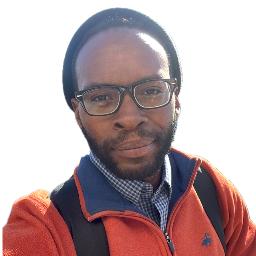
About Lee-Andre
Garvin takes a straightforward, collaborative approach. Sessions focus on practical steps and conversation that help people handle day-to-day problems. He uses a mix of talking therapy, mindfulness, and creative techniques to find what helps each person most.
He earned a master’s degree in clinical mental health counseling from the University of Denver and has practiced across the Front Range. His background includes work as a substance abuse counselor and roles in high school and community mental health settings. That experience includes supporting people with anxiety, depression, trauma, bipolar symptoms, dissociation, and identity questions around race and gender.
In a typical session he will listen, reflect, and offer skills or exercises to try between meetings. He mentions approaches such as dialectical behavior therapy mindfulness, motivational interviewing, art-based methods, trauma-focused work, and traditional talk therapy. These are used to help people manage symptoms and make practical changes.
People who are looking for help with caregiving stress, chronic illness, adoption or abandonment issues, or relationship strain often find his background relevant. He works in English and practices in Colorado as an LPC.
Areas of expertise
Primary focus
Additional focus areas
Experience
7+ years
Credentials
Colorado
Languages
English
Therapeutic approaches and online sessions
Garvin references several evidence-based techniques he uses in practice. Mindfulness from dialectical behavior therapy focuses on learning present-moment skills to reduce intense emotions and improve daily functioning. Motivational interviewing involves exploring what matters to the person and building practical reasons to change behaviors, which can help with substance use and other habit changes.He also uses art-based methods and trauma-focused conversation to help people access feelings that can be hard to put into words. These approaches aim to give concrete tools and new ways to understand difficult memories or patterns. Choosing which method to use is a collaborative process; the therapist will work with the client to find what matches their needs, goals, and preferences.
Confirm current session options before booking, as formats are not specified in the biography. Online sessions can make it easier to fit therapy into a busy life by removing travel time and allowing sessions during a break or from another quiet setting. They can also allow shorter check-ins when that suits a person’s schedule. A licensed professional will discuss practical arrangements and help set up a plan that fits everyday routines.
Frequently asked questions
What concerns does he focus on?
He focuses on stress, anxiety, relationship problems, trauma and abuse, low self-esteem, and depression. He also lists aging and geriatric issues among additional focus areas.
What is his therapeutic style?
He works in a collaborative, practical way using talk therapy, mindfulness skills, and creative methods. Sessions tend to mix discussion with exercises to try between meetings.
How much clinical experience does he have?
He has seven years of practice experience, including work in substance abuse treatment and in high school and community mental health settings.
What are his credentials and location?
He is a Licensed Professional Counselor (LPC) licensed in Colorado and holds a master’s degree in clinical mental health counseling from the University of Denver.
Which languages are offered?
Sessions are offered in English.
Can people outside the US work with him?
He does not accept international clients at this time.
How does payment and cost work?
Cost varies with location and services. Sessions use a subscription model that can be canceled at any time.
How do I begin working together?
Click the See online therapy options button, complete a short matching questionnaire, and schedule a first session to get started.