- Stress and anxiety
- Grief and loss
- Aging concerns
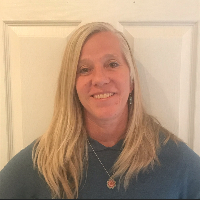
About Kelly
Goodman spent many years in community mental health programs such as Housing First, intensive case management, and assertive community treatment. She has worked in a federally qualified health clinic serving people without housing, taught chronic pain management classes, and helped clients access housing and benefits. That work shaped her approach: practical help with basic needs alongside therapy.
She also has experience providing crisis and emergency care. Goodman currently works part time in an emergency department doing mental health and risk assessments and serves as an on-call family therapist on an adolescent psychiatric unit. These roles inform her skills in managing acute stress and safety concerns.
Her clinical style draws on attachment-based and client-centered ideas, cognitive behavioral techniques, mindfulness, and motivational interviewing. Sessions focus on clear, usable tools people can try between appointments. Goodman emphasizes understanding how trauma affects someone across their life span.
Her life experience includes supporting a loved one through long-term cancer, adoption and foster care connections, and work with diverse communities. She invites questions about fit and next steps, and asks people to use the site process to match and schedule a first session.
Areas of expertise
Primary focus
Also works with
Additional focus areas
Therapeutic approaches
Experience
17+ years
Credentials
Oregon
Languages
English
Therapeutic approaches and online work
Kelly Goodman blends attachment-based therapy and cognitive behavioral therapy in her practical work. Attachment-based therapy looks at relationship patterns and how early connections affect current reactions. It can help with grief, relationship strain, and caregiving stress. Cognitive behavioral therapy (CBT) focuses on identifying unhelpful thoughts and testing new behaviors with concrete exercises between sessions; it is often used for anxiety, depression, and stress.She treats the choice of approach as a shared process. The therapist will discuss goals and preferences, try techniques, and adjust the plan together based on what helps. That collaborative stance makes it easier to find methods that fit daily life and changing needs.
Confirm the therapist's current session formats before booking, as the profile does not list specific online or phone options. Online sessions can make scheduling easier, allow a shorter check-in when time is limited, and remove travel time so therapy fits into busy days. Some people find video works well for skill practice, while a phone call can be less demanding on bandwidth and feel more like a brief check-in. Discuss format preferences during the first meeting to find a practical way to continue.
Frequently asked questions
What concerns does she help with?
She works with stress, anxiety, grief, bipolar disorder, depression, addictions, caregiver stress, ADHD, and related areas including aging and geriatric issues.
What is her therapy style?
She uses attachment-based and client-centered approaches with cognitive behavioral and mindfulness tools, plus motivational interviewing to support change.
How much experience does she have?
Kelly Goodman has 17 years as a licensed clinical social worker and decades of broader social work experience in community and public health settings.
Where is she licensed and based?
She is an LCSW licensed in Oregon and practices there.
Which languages are supported?
Sessions are offered in English.
Can international clients work with her?
She is not currently accepting international clients.
How are sessions arranged and what do they cost?
Cost varies by location; sessions use a subscription that can be canceled at any time.
How do I get started with a first session?
Select the See online therapy options button, complete a short matching questionnaire, and then schedule a first session.