- CBT techniques
- Acceptance and Commitment Therapy
- Emotion-focused work
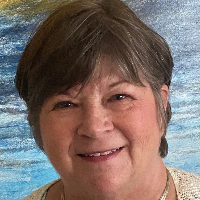
About Kay
She uses straightforward talk therapy methods and practical skills work. Sessions often include techniques from cognitive behavioral therapy (CBT) and Acceptance and Commitment Therapy (ACT) to help people handle difficult thoughts and feelings. Emotion-focused methods are used when relationships or loss are central to the problem.
Her background includes long-term clinical work across several states and experience supervising other counselors. During the COVID pandemic she shifted much of her work to virtual sessions and found that meeting remotely made scheduling easier for many people. That experience shaped how she manages appointments and follow-up with clients.
In a session she listens for what matters most to the person and offers tools to try between meetings. Practical homework might include simple behavior changes, tracking mood and sleep, or practicing specific coping skills. She also draws on skills from Dialectical Behavior Therapy (DBT) when strong emotions or relationship patterns cause repeated problems.
People who contact her can expect clear, direct conversation about goals and next steps. Getting started typically involves a short matching questionnaire and scheduling a first session to review concerns, set priorities, and agree a plan of work.
Areas of expertise
Also works with
Additional focus areas
Therapeutic approaches
Experience
29+ years
Credentials
Georgia
Languages
English
Approaches and how online sessions work
Acceptance and Commitment Therapy (ACT) focuses on helping people notice difficult thoughts and feelings and choose actions that align with their values. It can be useful for coping with life changes, chronic worry, and the stress that comes with caregiving or health transitions.Cognitive Behavioral Therapy (CBT) breaks problems into thoughts, behaviors, and feelings and teaches practical techniques to change unhelpful patterns. CBT is often helpful for anxiety, depression, sleep problems, and rebuilding routines after loss.
Emotionally-Focused Therapy (EFT) helps people name and work through strong emotions that affect relationships and grief. It can guide conversations about family conflict, caregiving strain, or unresolved loss.
Finding the right approach is part of the work. The therapist will discuss goals and preferences and help decide which methods to try first. Sessions are collaborative and can change over time as needs shift.
The original biography describes a move to virtual sessions during the pandemic and notes that remote meetings made scheduling easier for many clients. Confirm the current session formats before booking. Online sessions can make it simpler to fit meetings into a busy week, allow shorter check-ins when needed, and remove travel time so people can focus their energy on practical coping and planning.
Frequently asked questions
What concerns does she address?
She works with stress, anxiety, depression, trauma, grief, relationship and family issues, caregiver stress, and aging and geriatric issues among other concerns.
What is her therapeutic style?
Her approach mixes practical skills and talk therapy, drawing on CBT, ACT, DBT and emotion-focused methods as appropriate to the concern.
How long has she been practicing?
She has 29 years of experience and has worked in community behavioral health and private practice settings.
What are her credentials and where does she practice?
She is an LPC - Licensed Professional Counselor in Georgia and has held licenses in other states in the past.
Does she work in languages other than English?
Sessions are offered in English.
What session formats are available?
The biography notes she moved much work to virtual sessions during the COVID pandemic; please confirm current session format options before booking.
How are fees handled?
Cost varies with location and sessions use a subscription that can be canceled at any time.
How do I begin working with her?
Select the See online therapy options button, complete a short matching questionnaire, and schedule a first session.