- Stress and anxiety
- Grief and loss
- Caregiver support
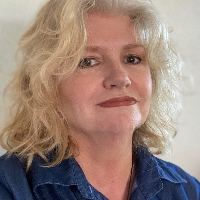
About Karen
She draws on client-centered methods, Cognitive Behavioral Therapy (CBT), Dialectical Behavior Therapy (DBT), existential ideas, and Eye Movement Desensitization and Reprocessing (EMDR) in her work. Sessions tend to focus on what is happening now and practical ways to manage difficult feelings and patterns. Conversations aim to identify small, doable changes that can ease daily life.
Clients often come when they feel stuck, want relief from repeated patterns, or need help adjusting to life changes such as retirement, illness, or loss. Karen pays attention to how relationships and past experiences shape current difficulties. She helps people notice unhelpful thoughts, try new ways of responding, and practice skills between sessions.
Her background includes community mental health settings across fifteen years, giving experience with a broad range of life challenges. She helps people cope with anger, sleep problems, career transitions, and compassion fatigue. For those facing long-term health concerns or caregiving roles, she aims to address both emotional strain and practical coping strategies.
To begin, prospective clients follow the site's matching and scheduling flow. That starts with a short questionnaire and moves to setting the first session when a match is made.
Areas of expertise
Also works with
Additional focus areas
Therapeutic approaches
Experience
15+ years
Credentials
California
Languages
English
How therapeutic approaches guide online work
Client-centered therapy focuses on the client’s priorities and perspective. It’s about listening closely and helping people make sense of their feelings so they can choose what to try next. Cognitive Behavioral Therapy (CBT) looks at how thoughts and behaviors keep problems going and teaches practical skills to change those patterns. Dialectical Behavior Therapy (DBT) brings skills for managing strong emotions, improving tolerance for distress, and handling relationships more effectively.Finding the right approach is part of therapy. Karen will discuss different methods with each person and together they will decide what fits best based on goals and what feels manageable. That collaborative process helps shape session work and any homework or skill practice between meetings.
Session formats are not specified in the biography, so confirm current options before booking. Online work can make it easier to fit sessions into a routine, reduce travel time, and allow shorter check-ins when needed. It can also help people keep continuity of care during life changes like medical treatment or caregiving responsibilities. Licensed professionals aim to match approach, scheduling, and session length to what works for each person.
Frequently asked questions
What kinds of problems does she work with?
She works with stress, anxiety, addictions, trauma, grief, depression, relationship and intimacy-related issues, and concerns tied to aging and caregiving.
What is her therapeutic style?
Her approach is client-centered and practical. She also uses CBT, DBT, existential ideas, and EMDR depending on needs.
How much experience does she have?
She has 15 years of experience working in community mental health and related settings.
What are her credentials and location?
She is a Licensed Marriage and Family Therapist (LMFT) in California.
Which languages are supported?
Sessions are offered in English.
Can international clients work with her?
She does not accept international clients at this time.
How is cost handled?
Cost varies with location; sessions use a subscription that can be canceled at any time.
How do I get started?
Use the See online therapy options button, complete a short matching questionnaire, and schedule a first session once matched.