- Anxiety and depression
- Addiction and recovery
- Caregiver stress
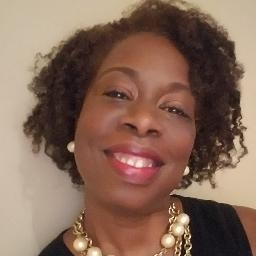
About Karen
Her style draws on practical therapies such as cognitive behavioral work and dialectical behavior strategies. Sessions tend to focus on identifying unhelpful thinking, building skills for emotion regulation, and improving communication. Karen uses these methods to help people manage stress, rebuild routines like sleep and eating, and address trauma-related reactions.
Clients may expect a direct, skills-oriented approach that balances problem-solving with attention to personal values and relationships. Attachment-based ideas inform how she looks at connection and closeness, especially when trust or intimacy has been affected. She also incorporates acceptance and commitment ideas to help people clarify what matters to them and take steps toward those goals.
Her background includes work with grief, caregiving strain, addiction, and issues that often come up as people age or move into new life roles. Karen’s counseling emphasizes concrete steps and coping tools that someone can use between sessions. She notes experience with adoption and foster care concerns and a range of mood and behavioral issues.
Sessions are conducted in English and reflect her seven years of practice in Georgia. For people looking to begin, the usual next step is to complete a short matching questionnaire and schedule a first session through the site.
Areas of expertise
Primary focus
Also works with
Additional focus areas
Therapeutic approaches
Experience
7+ years
Credentials
Georgia
Languages
English
How her approaches translate to online work
Two approaches she uses are cognitive behavioral therapy and attachment-based therapy. Cognitive behavioral therapy (CBT) focuses on noticing and changing unhelpful thoughts and behaviors, which can help with anxiety, depression, sleep, and patterns that feed addiction. Attachment-based work looks at patterns of relating and trust, and it can help when relationship problems, intimacy concerns, or caregiver dynamics are a focus.Finding the right approach is part of the process. Karen will work together with clients to decide which methods match their goals and situation. That means discussing what feels useful, trying techniques in session, and adjusting plans as needs change.
The profile does not list specific session formats, so confirm the current online options before booking. Online sessions can make it easier to fit counseling into a day, allow shorter check-ins when needed, and reduce travel time for people balancing appointments or caregiving. Those practical benefits often help people keep therapy consistent while they work on mood, stress, relationships, or aging-related changes.
Frequently asked questions
What issues does she help with?
She works with anxiety, depression, addiction, grief, relationship and intimacy issues, and life changes including aging and caregiver stress.
What is her approach in sessions?
She combines cognitive behavioral techniques with dialectical behavior and attachment-informed ideas to teach skills and improve relationships.
How much clinical experience does she have?
She has seven years of experience as a counselor working with mood, trauma, addiction, and caregiving concerns.
What are her credentials and where does she practice?
She holds the LPC credential and practices in Georgia.
Does she offer sessions in other languages or to international clients?
Sessions are offered in English. She is not currently accepting international clients.
How are sessions delivered?
The original profile does not list specific session formats. Please confirm current session options before scheduling.
How does pricing work?
Cost varies with location; sessions use a subscription that can be canceled at any time.
What is the first step to begin?
Select the See online therapy options button, complete a short matching questionnaire, and schedule a first session.