- Grief and end-of-life support
- Caregiver stress and burnout
- Stress anxiety depression
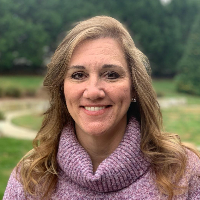
About Judy
Her approach places the relationship between client and counselor first. Judy uses acceptance and commitment ideas, cognitive behavioral tools, attachment-focused perspectives, emotionally-focused work, and client-centered listening. She adapts methods to what the person needs rather than using one fixed model.
Sessions tend to focus on practical steps and honest conversation. Judy helps people name what is most troubling, try small behavioral experiments, and build new ways of relating to themselves and others. She draws on her hospice grief experience when working with loss and end-of-life questions.
She also addresses parenting, adoption and foster care issues, blended family dynamics, and family of origin patterns. Other concerns she sees include compassion fatigue, loneliness, career and purpose questions, intimacy-related struggles, ADHD-related issues, and coping with medical or cancer-related transitions.
People who choose Judy can expect straightforward feedback, reflective listening, and collaborative goal-setting. Her training as an LCSW guides a practical focus on what can change now. To begin, readers are asked to follow the site’s process for matching and scheduling a first session.
Areas of expertise
Also works with
Additional focus areas
Therapeutic approaches
Experience
10+ years
Credentials
North Carolina
Languages
English
How her approaches translate to online sessions
Acceptance and Commitment Therapy (ACT) focuses on helping people notice thoughts and feelings without getting stuck, then act toward what matters. It can help with anxiety, depression, and life transitions by encouraging values-based steps. Cognitive Behavioral Therapy (CBT) looks at patterns of thinking and behavior and uses short experiments to test new ways of responding. CBT is often used for stress, anxiety, and mood concerns. Attachment-Based Therapy pays attention to how relationships shaped a person’s reactions and can help with intimacy issues and family of origin patterns.Finding the right mix of approaches is part of the work. The therapist will discuss goals, preferences, and practical needs and together decide which methods to try. This is a collaborative process rather than a one-size-fits-all plan.
Session formats are not specified in the biography, so confirm current options before booking. Online work can make it easier to fit counseling into a busy life by removing travel time, allowing shorter check-ins when needed, or avoiding being on camera for those who prefer audio. Licensed professionals can still use the same ACT and CBT tools effectively over distance, focusing on exercises, homework, and conversations that fit daily routines.
Frequently asked questions
What kinds of concerns does she help with?
She works with stress, anxiety, grief, depression, caregiver stress, relationship and intimacy issues, and aging and geriatric concerns among others.
How would you describe her therapy style?
She prioritizes the client-counselor relationship and combines listening with practical steps from several approaches to fit each person.
How much clinical experience does she have?
She has ten years of counseling experience, including many years as a hospice grief counselor.
What are her credentials and where does she practice?
She is an LCSW licensed in North Carolina and practices from that state.
Which languages are supported in sessions?
Sessions are offered in English.
Can international clients work with her?
International clients are not currently accepted.
How are sessions paid for and what does it cost?
Cost varies with location; sessions use a subscription model that can be canceled at any time.
How do I begin if I want to meet with her?
Select the See online therapy options button, complete a short matching questionnaire, and schedule a first session.