- CBT techniques
- DBT strategies
- Client-centered care
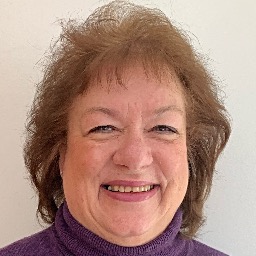
About Joni
Joni uses straightforward, practical conversations to help people sort through what matters most. Sessions focus on what is happening now and on small changes that can ease daily strain. She draws on methods that teach skills for emotion regulation, problem solving, and clearer communication.
Her background includes long experience with trauma, PTSD, and mood concerns including bipolar disorder. She also has experience supporting people with chronic illness, cancer-related stress, and caregiving duties. This work often includes planning next steps, managing symptoms, and improving how people handle conflict and loss.
Therapeutic methods Joni uses include client-centered work, cognitive behavioral techniques, dialectical behavior strategies, solution-focused work, and existential themes. These approaches are used to build practical tools for coping and decision making rather than long academic descriptions of theory.
People who contact Joni are usually looking for clear conversations, manageable strategies, and steady support while navigating life changes. To begin, readers should follow the site’s guidance to select online therapy options and complete the initial matching questionnaire.
Areas of expertise
Primary focus
Also works with
Additional focus areas
Therapeutic approaches
Experience
17+ years
Credentials
Ohio
Languages
English
How her therapeutic approaches fit into online work
Client-centered therapy focuses on listening and reflecting back what matters to the person. It helps people feel understood and clarifies goals for change. Cognitive Behavioral Therapy, or CBT, teaches practical skills to change unhelpful thoughts and behaviors and is often used for anxiety, depression, and coping with life changes.Dialectical Behavior Therapy, DBT, offers concrete strategies for emotion regulation, distress tolerance, and clearer communication. Those skills can be useful for people managing strong emotions, relationship strain, or mood instability.
Finding the right approach is part of the work. The therapist discusses goals and preferences with each person and together they decide which methods to try first. That collaborative process helps shape session focus and the kinds of exercises or practice assigned between meetings.
Session formats are not specified in the provided biography, so confirm current options before booking. Online sessions can make it easier to fit counseling into daily life, for example by avoiding travel, allowing shorter check-ins, or removing the need to be on camera for an entire visit. These practical benefits can help people maintain regular contact with a licensed professional while they manage retirement transitions, caregiving responsibilities, health changes, grief, or other later-life concerns.
Frequently asked questions
What concerns does she address?
She works with stress, anxiety, depression, trauma and relationship problems, and also supports people facing caregiving strain, grief, addictions, and aging and geriatric issues.
What is her therapeutic style?
She uses a practical, interactive approach that emphasizes skills and real-life problem solving through client-centered methods, CBT, DBT, and solution-focused techniques.
How much experience does she have?
She has 17 years of clinical experience working with a wide range of concerns including trauma, mood disorders, and caregiver stress.
What credential does she hold and where is she located?
She is an Ohio LPCC - Licensed Professional Clinical Counselor based in Ohio.
Which languages are supported?
Sessions are offered in English.
Does she work with clients outside the United States?
International clients are not currently accepted.
How does payment and cost work?
Cost varies with location and sessions use a subscription model that can be canceled at any time.
What are the steps to begin?
Select the See online therapy options button, complete a short matching questionnaire, and schedule a first session.