- Addictions
- Grief and loss
- Attachment issues
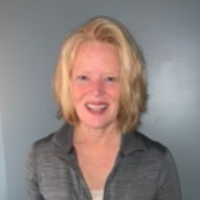
About Jerrilynn
Clients meet a therapist who encourages them to listen to their own judgment and to reframe the stories they tell about past events. She focuses on reducing symptoms while also looking at the patterns behind them, such as codependency, shame cycles, and old conditioning from childhood. Sessions aim to move beyond coping to clearer thinking and more consistent behavior changes.
Her approach draws on several evidence-informed methods including Cognitive Behavioral Therapy, Dialectical Behavior Therapy, Acceptance and Commitment Therapy, Attachment-Based techniques, and Client-Centered work. Those methods are used to address mood concerns, relationship and intimacy issues, substance use patterns, and stress related to caregiving or chronic illness.
Jerrilynn also helps people with practical areas of life that affect wellbeing. That can include work and career questions, setting boundaries, improving communication, managing sleep and eating struggles, and planning for changes that come with aging. She names concrete steps and skills rather than relying on abstract talking alone.
She asks new clients to complete a short matching questionnaire and then schedule a first session. Costs vary by location and sessions use a subscription that can be canceled at any time.
Areas of expertise
Primary focus
Also works with
Additional focus areas
Therapeutic approaches
Experience
10+ years
Credentials
New York, Florida
Languages
English
Therapeutic approaches used in online sessions
Acceptance and Commitment Therapy (ACT) helps people notice what matters to them and take small actions that reflect those values. It often focuses on accepting difficult feelings while building consistent, value-driven behaviors to reduce avoidance and increase meaning.Cognitive Behavioral Therapy (CBT) focuses on identifying unhelpful thoughts and testing them with real-world experiments. CBT is useful for anxiety, depression, sleep and eating problems, and for changing patterns that feed substance use and low mood.
Finding the right approach is part of the work. The therapist will discuss options and try methods that match a person’s goals and preferences. That collaborative process helps decide which tools to use and how to pace sessions.
Confirm the available session formats before booking, as formats are not specified here. Online appointments can make it easier to fit therapy into a busy week, reduce travel time, and allow for shorter check-ins when needed. Licensed professionals can use session time to teach specific skills, review progress, and set manageable between-session tasks that fit everyday life.
Frequently asked questions
What kinds of concerns does she help with?
She works with grief, depression, anxiety, trauma, addictions, caregiver stress, and a range of relationship and life-change issues including aging and geriatric concerns.
What is her general approach in sessions?
Therapy combines practical skills and reflective work. She uses methods that help change unhelpful thinking, build emotion regulation skills, and repair attachment patterns.
How much clinical experience does she have?
She has ten years of experience as a practicing clinician in Florida.
What are her credentials and where does she practice?
She is an LMHC and holds licensure as FL LMHC and NY LMHC, and she practices in Florida.
Does she offer sessions in other languages?
Sessions are offered in English.
What session formats does she use?
Session formats are not specified here; please confirm current session options before booking.
How are costs handled?
Costs vary with location. Sessions use a subscription model that can be canceled at any time.
How do I get started with her?
Select the See online therapy options button, complete a short matching questionnaire, and schedule a first session.