- CBT techniques
- DBT skills
- Attachment focus
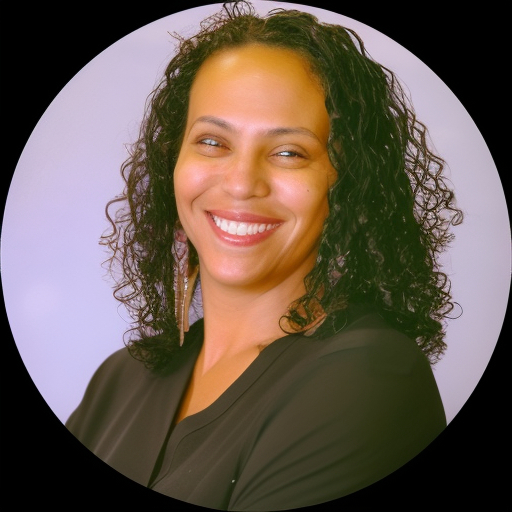
About Jennifer
Her style is interactive and client-centered. She listens first, then helps people set practical goals. Sessions focus on strengths and clear problem-solving steps rather than long abstract talk.
Jennifer draws on several common therapy methods to match what each person needs. She uses cognitive behavioral techniques to look at the links between thoughts, feelings, and behaviors. She also uses dialectical behavior strategies to help develop skills like mindfulness and emotion regulation.
Attachment-based ideas help when relationship patterns and early losses affect current life. Acceptance and Commitment Therapy concepts are used to clarify values and guide small, workable changes. The aim is to reduce distress and increase the ability to handle day-to-day demands.
People who come for help often want direct strategies for coping, clearer relationships with family or caregivers, or tools to manage mood and stress. Jennifer works together with each person to build a plan that fits their situation and priorities.
Her practice is informed by long clinical experience in New Jersey. Sessions move at a practical pace, focusing on what the client needs to do differently between meetings.
Areas of expertise
Also works with
Additional focus areas
Therapeutic approaches
Experience
25+ years
Credentials
New Jersey
Languages
English
Therapeutic approaches and how they work online
Acceptance and Commitment Therapy (ACT) helps people clarify what matters to them and take small actions that align with those values. It is useful for coping with life transitions, chronic stress, and situations that bring conflicting feelings. Cognitive Behavioral Therapy (CBT) focuses on practical links between thoughts, feelings, and behaviors. It helps with anxiety, depression, and changing unhelpful thinking patterns through exercises and homework.Finding the right approach is part of the work. The therapist will discuss goals, preferences, and what feels most useful. Together they decide which methods to try and adjust them as progress is made.
Confirm the current session formats before booking, as they are not specified here. Online work can make sessions fit into busy routines and reduce time spent traveling. It can also allow shorter check-ins when needed, and options that do not require being on camera for every meeting. Licensed professionals and therapists can guide how to make remote sessions practical for caregiving schedules, health appointments, or other daily demands.
Frequently asked questions
What concerns does she address?
She works with stress, anxiety, addictions, trauma, grief, depression, and related issues. Aging and geriatric issues, caregiver stress, and family or relationship concerns are listed focus areas.
What is her therapy style?
Her approach is interactive and client-centered. She listens, helps set goals, and uses practical problem-solving and skills training.
How much experience does she have?
She has 25 years of experience in the counseling field working with a range of mental health and life concerns.
What are her credentials and location?
She is a Licensed Professional Counselor (LPC) licensed in New Jersey and practices from that state.
Which languages does she offer sessions in?
Sessions are offered in English.
Can sessions be conducted remotely or internationally?
International clients are not accepted. Confirm current session formats before booking to know whether remote options are offered.
How does billing and cost work?
Cost varies with location. Sessions use a subscription that can be canceled at any time.
How do I begin working with her?
Select the See online therapy options button, complete the short matching questionnaire, and schedule a first session.