- Stress and anxiety
- Grief and loss
- ACT and CBT
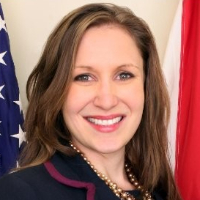
About Jennifer
Jennifer uses straightforward, person-centered methods in sessions. She blends client-centered conversation with cognitive behavioral ideas and psychoeducation. That means conversations aim to clarify patterns, identify practical skills, and build ways to manage strong emotions in everyday life.
Her background includes a Master’s in Art Therapy from Eastern Virginia Medical School and experience across multiple states. Moving often as a military spouse exposed her to many communities and life circumstances. That variety informs how she supports people through transitions and loss.
In sessions she helps clients recognize the thoughts and behaviors that keep problems going. She offers tools for coping with stress, reducing anxiety, and handling grief and relationship strain. Practical exercises and clear explanations are part of the work.
Jennifer often uses Acceptance and Commitment Therapy and attachment-based ideas alongside cognitive approaches. These help people accept difficult feelings while focusing on values and improved patterns in relationships and daily life. She also draws on emotionally-focused techniques when relationship emotions are central.
People who contact her can expect direct conversation about goals, step-by-step strategies, and attention to how life events shape current struggles. To begin, prospective clients use the site’s matching steps to schedule an initial session and discuss next steps.
Areas of expertise
Primary focus
Also works with
Additional focus areas
Therapeutic approaches
Experience
21+ years
Credentials
Florida, Virginia
Languages
English
Therapeutic approaches used for online sessions
Jennifer commonly uses Acceptance and Commitment Therapy and Attachment-Based Therapy alongside client-centered work. Acceptance and Commitment Therapy (ACT) focuses on noticing thoughts and feelings without struggling with them and then taking actions that match what matters to a person. It is useful for anxiety, stress, and life transitions where values and action help guide change.Attachment-Based Therapy looks at how early relationship patterns affect current bonds and emotional reactions. It can help people understand recurring relationship conflicts, grief, and caregiver stress by tracing how past attachments shape present responses.
Finding the right approach is part of the work. The therapist will collaborate with each person to pick methods that match their goals, needs, and preferences. That collaborative process can include trying different techniques and checking what helps most.
The practical benefits of online work include fitting sessions into busy days and reducing travel time. Online options can make it easier to keep regular appointments during caregiving duties, medical visits, or retirement activities. Confirm the specific session formats available before booking so you know how meetings will be scheduled and what to expect.
Frequently asked questions
What concerns does she address?
She works with stress, anxiety, depression, grief, addictions, relationship problems, caregiver stress, ADHD, and aging and geriatric issues.
What is her therapeutic style?
She uses a person-centered approach with cognitive behavioral ideas and psychoeducation to teach practical coping skills.
How much experience does she have?
She has 21 years of experience working in clinical settings and community care across multiple states.
What credentials and location are listed?
She holds LMHC and LPC credentials and practices from Florida as noted in her profile.
Which languages are supported?
Sessions are offered in English.
Can people outside the United States work with her?
International clients are not currently accepted.
How much do sessions cost?
Cost varies with location and sessions use a subscription model that can be canceled at any time.
How do I get started?
Select the See online therapy options button, complete the short matching questionnaire, and schedule a first session.