- Stress and anxiety
- Trauma informed methods
- Aging related support
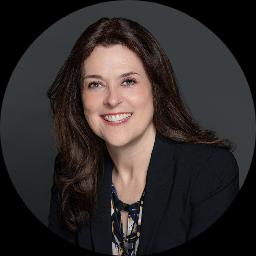
About Glenna
Her style is straightforward and supportive. Sessions focus on helping people notice patterns, talk through problems, and build skills for day-to-day coping. She draws on Client-Centered Therapy to help people lead their own pace of change while offering practical feedback.
Rodgers integrates Cognitive Behavioral Therapy to identify unhelpful thoughts and shift behaviors that keep problems going. Dialectical Behavior Therapy techniques are used when strong emotions make it hard to manage reactions or maintain relationships. Trauma-Focused work is offered for those carrying distress from past events.
She also addresses concerns that often come later in life, such as caregiving stress, chronic illness, cancer-related distress, and the emotional effects of retirement or changing roles. Conversations can cover communication problems, control issues, and coping with loss.
Sessions aim to teach concrete skills as well as to increase understanding of how past patterns affect current life. People often leave with clear steps they can try between meetings. The focus is on practical change and managing everyday challenges.
Areas of expertise
Primary focus
Also works with
Additional focus areas
Therapeutic approaches
Experience
27+ years
Credentials
Arkansas, Mississippi, New Jersey, Virginia
Languages
English
Therapeutic approaches and online work
Glenna Rodgers uses Client-Centered Therapy to let the person guide the pace and topics of sessions. This approach focuses on listening and helping people discover their own solutions, which can be useful for decisions around retirement, caregiving, or relationship changes.She also uses Cognitive Behavioral Therapy, which looks at how thoughts, feelings, and actions influence one another. CBT gives concrete tools to change patterns that contribute to anxiety, depression, sleep problems, and difficulties with focus or motivation.
Choosing the right approach is part of the work together. The therapist and client discuss goals, symptoms, and preferences and decide which methods to try. That planning is collaborative and can change as needs evolve.
The biography does not list specific session formats, so confirm current options before booking. Online work can make it easier to fit sessions into a busy week, avoid travel, or do a shorter check-in when time is limited. Phone meetings may use less bandwidth and video can allow for a fuller interaction; the therapist will discuss which option suits the client’s goals and daily routine.
Frequently asked questions
What kinds of problems does she help with?
She helps people with stress, anxiety, depression, ADHD, addictions, grief, relationship and intimacy concerns, and many life changes including aging and geriatric issues.
What is her therapy style like?
Sessions are practical and supportive. She uses client-centered conversations plus specific skills training from CBT and DBT.
How much experience does she have?
She has 27 years of experience working with a wide range of concerns including trauma, caregiver stress, and chronic illness.
What are her credentials and where is she based?
She is an LPC and practices in Arkansas. She also has credential recognition as an MS LPC and NJ LPC as listed.
Does she offer sessions in other languages or to international clients?
Sessions are offered in English and international clients are not currently accepted.
What session formats are available?
The biography does not specify session formats. Confirm the current session options before booking.
How are costs handled?
Cost varies with location and sessions use a subscription that can be canceled at any time.
How do I begin working with her?
Select the See online therapy options button, complete a short matching questionnaire, and schedule a first session.