- Stress and anxiety
- Addictions and recovery
- CBT and skills
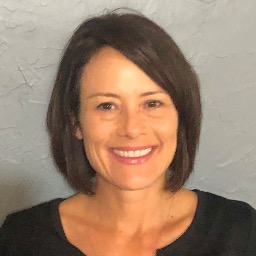
About Erika
Erika focuses on practical skills and clear steps. She draws on cognitive behavioral ideas to help people notice patterns of thinking and change unhelpful habits. Sessions are collaborative and aim to build on existing strengths rather than start from scratch.
Her approach is direct and skills-based. She may teach ways to manage strong emotions, reduce worry, and cope with cravings or compulsive behaviors. She also helps people address communication problems, codependency, and challenges that come with illness or caregiving roles.
Erika uses attachment-informed ideas to look at how past relationships affect current ones. Mindfulness techniques are offered to help ground attention and reduce reactivity. Dialectical behavior therapy skills can be used for intense emotions and relationship patterns.
People often come for help with transitions such as retirement planning, changes in health, loss of a partner, or shifts in family roles. Erika aims to give straightforward tools and supportive direction so people can manage day-to-day demands and important decisions.
To begin, visitors are asked to complete the site’s matching questionnaire and schedule a first session. The counselor’s background supports a mix of skills training, problem-solving, and relationship-focused work suited to later-life concerns.
Areas of expertise
Primary focus
Also works with
Additional focus areas
Therapeutic approaches
Experience
16+ years
Credentials
Texas
Languages
English
Therapeutic approaches and how online sessions work
Erika integrates cognitive behavioral therapy and attachment-based ideas into her work. CBT focuses on identifying unhelpful thoughts and testing them with practical experiments, which can help reduce worry, depressive thinking, and compulsive behaviors. Attachment-based approaches look at how early and past relationships influence current ones, and they can help with intimacy, communication, and relationship patterns.She also uses mindfulness techniques to help people notice when they are reactive and to practice steadying attention. Finding the right mix of methods is part of the work together. The therapist will collaborate with the client to choose approaches that fit the person’s goals, daily routine, and what feels most useful in sessions.
Session formats are not specified here, so confirm current options before booking. Online sessions can make it easier to fit appointments into a busy week, reduce travel time, and allow people to meet from wherever they are based in Texas. Phone or video choices have practical differences - for example, phone can be a shorter check-in and needs less bandwidth, while video lets the therapist and client use visual cues during skill practice. Discuss format preferences when scheduling to find what suits everyday life.
Frequently asked questions
What concerns does she address?
She works with stress, anxiety, addiction, trauma, depression, grief, relationship and intimacy issues, ADHD, caregiver stress, and aging and geriatric issues.
What is her therapy style?
Her style is collaborative and skills-based, using cognitive behavioral ideas and strength-focused work to teach practical tools.
How many years has she practiced?
She has 16 years of experience as a counselor in Texas.
What are her credentials and location?
She is an LPC in Texas and practices with that credential in the state.
Which languages are supported?
Sessions are offered in English.
Can international clients work with her?
International clients are not currently accepted.
How are sessions paid for?
Cost varies by location; sessions use a subscription that can be canceled at any time.
How do I begin working with her?
Select the See online therapy options button, complete the short matching questionnaire, and schedule a first session.