- Stress and anxiety
- Grief and loss
- Caregiver support
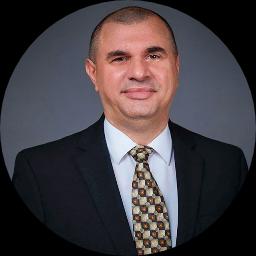
About Eric
Eric completed dual bachelor’s degrees in psychology and sociology, followed by a master’s degree in psychology with a specialty in mental health counseling, and a doctoral degree in industrial and organizational psychology. After his internship he obtained his Florida LMHC license and has offered counseling for more than a decade and a half.
In sessions he draws on client-centered methods as well as cognitive-behavioral and dialectical behavior strategies. He also uses narrative and solution-focused techniques to help people identify practical steps and change patterns that cause distress. He focuses on clear, usable tools rather than abstract theory.
People come to him for a wide range of life changes - retirement transitions, caregiving stress, coping with loss, coming to terms with chronic health changes, and relationship struggles later in life. He also works with concerns related to sexual expression and kink culture alongside issues such as addiction and trauma.
His style emphasizes direct conversation about what is happening now and concrete skills for coping. He helps clients set short-term goals and track progress. Those interested should confirm current session options before booking and can expect straightforward planning at first contact.
Areas of expertise
Primary focus
Also works with
Additional focus areas
Therapeutic approaches
Experience
15+ years
Credentials
Florida
Languages
English, Romanian
Therapeutic approaches for online sessions
Client-centered therapy focuses on conversations that follow the client’s lead and build on their existing strengths. It helps people clarify what matters to them and make decisions about next steps in life.Cognitive-behavioral therapy, or CBT, looks at how thoughts and behaviors keep problems going and teaches practical skills to change them. It is often used for anxiety, depression, and stress-related concerns.
Dialectical behavior therapy, DBT, offers skills for managing strong emotions, handling conflict, and improving day-to-day coping. It can be useful for people who need steady skill practice and structure.
Finding the right approach is a shared task. He will discuss goals and preferences and recommend ways of working that match the client’s needs. That collaborative decision can change as progress is made or new concerns appear.
If you expect to meet online, confirm current session formats before booking so arrangements match your needs. The practical benefits of remote sessions can include fitting appointments into a busy day, avoiding travel, or choosing a shorter check-in when time is limited. Ask about formats and scheduling when you complete the matching questionnaire so sessions can be planned around daily life.
Frequently asked questions
What kinds of concerns does he help with?
He works with stress, anxiety, depression, grief, caregiver issues, relationship and intimacy concerns, addictions, trauma, and aging and geriatric issues among other topics.
What is his therapeutic style?
He uses client-centered conversation combined with practical techniques from CBT, DBT, narrative work, and solution-focused methods to help people develop coping skills and clear goals.
How much clinical experience does he have?
He has 15 years of professional experience working in mental health settings and community practice.
What credential does he hold and where is he based?
He is a Florida Licensed Mental Health Counselor (FL LMHC) and practices in Florida.
In which languages can I speak with him?
Sessions are offered in English and Romanian.
Can international clients arrange sessions?
He does not accept international clients at this time.
How does pricing work?
Cost varies with location; sessions are delivered through a subscription that can be canceled at any time.
How do I begin a first session?
Start by selecting the See online therapy options button, complete a short matching questionnaire, and schedule a first session.