- Sex therapy
- Attachment work
- Acceptance and Commitment Therapy
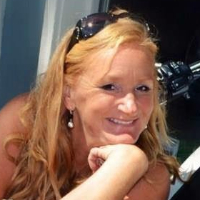
About Diane
Diane draws on several practical approaches in session. She uses cognitive behavioral techniques to address unhelpful thinking and behavior patterns. She also uses Acceptance and Commitment Therapy to help people clarify values and take small, manageable steps toward what matters. Attachment-based perspectives inform work on relationship struggles and intimacy issues.
Her background includes a postgraduate certificate in sex therapy and experience addressing sexual concerns such as low desire, difficulties with orgasm, and sexual function changes related to chronic illness. She has worked with people in LGBT communities on sexual and relationship matters. Diane has also supported those navigating divorce, co-parenting and blended family transitions.
Diane has training related to trauma and therapeutic processing, and experience with interventions used after traumatic events. She has provided services connected to military family life consulting and has supported caregivers coping with long-term illness and disability.
People can expect straightforward, skills-focused work that names patterns and practices alternatives. Sessions typically include talking, problem-solving, and simple behavior changes people can try between meetings. To begin, follow the site steps to match and schedule a first session.
Areas of expertise
Primary focus
Also works with
Additional focus areas
Therapeutic approaches
Experience
24+ years
Credentials
Minnesota, Michigan
Languages
English
Therapeutic approaches and online sessions
Diane commonly uses Acceptance and Commitment Therapy and Attachment-Based Therapy in her work. Acceptance and Commitment Therapy helps people notice unhelpful thoughts and move toward actions that reflect their values, which can be useful for anxiety, life transitions, and coping with health changes. Attachment-Based Therapy focuses on relationship patterns and how early bonds affect current intimacy and communication, which can help with couples and partnership concerns.Choosing the right approach is part of the work. The therapist and client will talk about goals, preferences, and what has or hasn’t helped before, and then try methods that fit those needs. That process is collaborative and can be adjusted over time based on progress and feedback.
The biography does not list specific online session formats, so confirm the options before booking. Online sessions can make it easier to fit therapy into a busy day, reduce travel time, and allow shorter check-ins when needed. They also let people take part from wherever they are located, which can be helpful for family members living at a distance or for those balancing appointments with caregiving or medical visits.
Frequently asked questions
What concerns does she address related to later life?
She works with stress, grief, caregiver strain, relationship and intimacy changes, and other issues that often come up in later life, including aging and geriatric issues.
How would you describe her therapeutic style?
She uses practical, skills-focused approaches such as cognitive behavioral strategies and Acceptance and Commitment Therapy to help people try new ways of coping.
What is her clinical background?
She has 24 years of experience, a PhD in Organizational Psychology, and a master’s degree in Marriage and Family Therapy.
What credentials and location are listed?
She is listed as LPCC and LPC, with licensure shown as MN LPCC and MI LPC, and she practices from Michigan.
Does she work in languages other than English or with international clients?
Sessions are offered in English. The profile indicates international clients are accepted.
What session formats are available?
The biography does not specify session formats. Please confirm current session options before booking.
How are sessions paid for and what does it cost?
Cost varies with location; sessions use a subscription that can be canceled at any time.
How do I begin working with her?
Select the See online therapy options button, complete the short matching questionnaire, and schedule a first session.