- Client-centered therapy
- Mindfulness techniques
- Solution-focused work
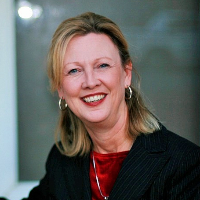
About Deborah
Deborah begins by listening to what matters most to each person. She asks what change a client wants to see and builds sessions around those goals. Her style centers on treating people as individuals and finding the right mix of techniques for their situation.
Her primary approach is client-centered therapy, which focuses on the client’s own perspective and decision making. She combines this with solution-focused strategies and existential ideas about meaning and life choices. Mindfulness techniques are used when appropriate to help with stress and emotional regulation.
Deborah has run support groups and provided training for other professionals on behavioral health topics. She is experienced in working with caregivers and people facing aging-related concerns. Her practice includes brief messaging between sessions for important updates, and she uses phone and video for sessions.
Practical matters are part of her work. She encourages straightforward conversation about goals, coping, and next steps. The emphasis is on clear steps clients can take to address stress, relationship difficulties, grief, and the specific challenges that come with later-life caregiving and aging.
Areas of expertise
Also works with
Additional focus areas
Therapeutic approaches
Experience
15+ years
Credentials
Oklahoma
Languages
English
How Deborah’s approaches translate to online sessions
Client-centered therapy focuses on the client’s perspective and choice. In online sessions this means conversations that begin with what matters most to the client and move at the client’s pace. It suits issues like depression, anxiety, relationship stress, and caregiving concerns.Mindfulness therapy brings attention practices into ordinary moments to reduce reactivity and manage stress. Online sessions can include short guided exercises and practical tools to try between meetings, which helps with sleep, anxiety, and anger management.
Finding the right approach is part of the work together. Deborah asks about goals and preferences and adjusts methods based on what is helpful. That collaborative decision-making continues as therapy progresses so techniques change when they stop helping or new needs appear.
Her biography notes she uses phone and video for sessions and that she does not prefer live chat. Confirm which session formats are offered when you book. Online sessions can make it easier to fit appointments into busy days, avoid travel, and allow follow-up messages between meetings for brief updates or important notes. These practical benefits can help people juggle caregiving, health appointments, and other responsibilities while working on stress, grief, relationship issues, and aging-related concerns.
Frequently asked questions
What concerns does she address?
She works with stress, anxiety, trauma, grief, depression, caregiver issues, dementia-related concerns, relationship and intimacy matters, ADHD, and aging and geriatric issues.
How would you describe her therapeutic style?
She uses a client-centered approach, asking what change you want and adapting methods to fit your needs. She mixes solution-focused steps, existential reflection, and mindfulness where useful.
How much experience does she have?
She has 15 years of clinical experience working with adults and with caregiver and aging-related issues.
What credential and location are listed?
She is a Licensed Professional Counselor (LPC) licensed in Oklahoma and practices from that state.
Which languages are supported?
Sessions are offered in English.
What session formats are used?
Her biography states she uses phone and video sessions and that she does not favor live chat; confirm current session options before booking.
How is payment or cost handled?
Costs vary with location and sessions use a subscription model that can be canceled at any time.
How do I begin working with her?
Choose the See online therapy options button, complete the short matching questionnaire, and schedule a first session.