- Stress and anxiety
- Caregiver issues
- Trauma and grief
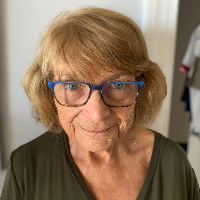
About Deborah
Deborah has supported people facing relationship challenges, separations, and the stresses that come with employment and career transitions. She has worked with survivors of emotional, physical, and sexual abuse and with those managing grief. Parenting concerns, attachment and adoption questions have been part of her casework as well.
Her style is interactive and respectful. She avoids stigmatizing labels and works with each person on what matters to them. In sessions she listens, reflects, and helps people identify concrete steps to reduce stress and improve day-to-day coping.
Deborah uses a mix of client-centered methods and cognitive behavioral ideas to address thinking patterns and behavior. She also draws on mindfulness techniques and EMDR for trauma-related work when appropriate. Motivational interviewing is part of her toolbox when people want help making changes.
People who choose her often want practical ways to handle grief, relationship strain, caregiver burden, sleep or eating problems, and mood changes. She helps clients set goals and review progress in straightforward terms. To begin, readers should confirm current session options before booking.
Areas of expertise
Primary focus
Also works with
Additional focus areas
Therapeutic approaches
Experience
34+ years
Credentials
Florida
Languages
English
Therapeutic approaches and online work
Deborah integrates client-centered therapy and cognitive behavioral therapy in her work. Client-centered therapy focuses on listening and reflecting to help people clarify their own goals and choices. Cognitive behavioral therapy looks at links between thoughts, feelings and actions and helps people try new ways of responding to stress, anxiety, sleep problems and mood changes.She also uses Eye Movement Desensitization and Reprocessing (EMDR) for people dealing with trauma. EMDR involves guided processing of distressing memories and can help reduce the intensity of traumatic reactions for some people. These methods are chosen in collaboration with each person, based on needs, goals and preferences rather than a one-size-fits-all plan.
Finding the right approach is part of the work together. The therapist will review what has helped before, discuss options, and adjust the plan as progress is reviewed. That shared decision making helps match methods to the issues being addressed, whether it is grief, caregiving stress, relationship strain or sleep and eating concerns.
Session formats are not detailed in the supplied biography, so confirm current session options before booking. Online sessions can make it easier to fit counseling around appointments, caregiving responsibilities, or work breaks. Some formats are quicker for brief check-ins while others allow more time for in-depth discussion and therapeutic techniques.
Frequently asked questions
What kinds of concerns does she address?
She works with stress, anxiety, trauma and abuse, anger, depression, caregiving and aging and related life changes.
What is her therapeutic style?
Her approach is interactive and client-centered, combining listening with practical steps and goal setting.
How much experience does she have?
She has 34 years of experience, including work in campus services, military family centers, foster care assessments, and community mental health.
What are her credentials and where is she based?
She is a Florida LMHC and practices from Florida.
Which languages are sessions offered in?
Sessions are offered in English.
Are international clients supported?
She does not accept international clients at this time.
How are sessions priced?
Cost varies with location; sessions use a subscription that can be canceled at any time.
How do I start a first session?
Select the See online therapy options button, complete the short matching questionnaire, and schedule a first session.