- Stress and anxiety
- Depression and bipolar
- Caregiver issues
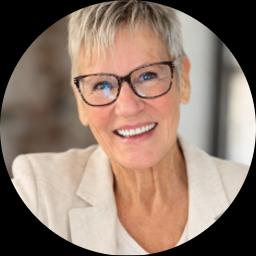
About Deborah
Deborah helps people talk through changes that come with retirement, health shifts, and new caregiving roles. She also supports those facing family of origin issues, communication problems, and feelings of emptiness or shame. Her work includes issues related to aging and geriatric concerns as one of several focus areas.
Her approach draws from client-centered methods, cognitive behavioral strategies, and dialectical behavior work. Sessions tend to involve clear, practical skills alongside conversations about values and priorities. Clients can expect straightforward reflection, problem solving, and emotion regulation tools.
Deborah has worked across community and clinical settings during her career. That background informs a pragmatic way of working with everyday life stressors and long-term adjustment. She aims to help people manage symptoms, repair relationships, and find steadier footing after losses or changes.
She conducts work in English. Before booking, confirm the current session options and formats directly through the clinician matching process on the site. The first step is to complete a short questionnaire and schedule an initial session.
Areas of expertise
Primary focus
Also works with
Additional focus areas
Therapeutic approaches
Experience
16+ years
Credentials
Texas, Arizona, Oregon
Languages
English
How her approaches translate to online work
Client-Centered Therapy focuses on listening and building a collaborative relationship. It helps people feel heard and clarifies what they want to change. Cognitive Behavioral Therapy, or CBT, looks at patterns of thought and behavior and teaches practical skills to reduce anxiety and depression. Dialectical Behavior Therapy, or DBT, adds skills for managing strong emotions and improving relationships. These approaches are useful for mood conditions, stress, caregiving strain, and relationship problems.Finding the right approach is part of the early work. Deborah will help identify which methods match a person’s goals and daily life. That decision is made together based on needs, current stressors, and what skills the client wants to learn.
The practical benefits of online work can include fitting sessions around medical appointments, caregiving duties, or travel. Online options can make it easier to keep regular check-ins, use skills between sessions, or choose a shorter phone visit when bandwidth is limited. Session formats are not specified in the biography, so confirm the exact online and in-person options before booking. Licensed professionals use these same approaches with clients online to focus on real-life problems and clear skills practice.
Frequently asked questions
What concerns does she address related to later life?
She works with stress, grief, caregiving stress, and aging and geriatric issues as part of her broader practice.
What is her therapeutic style?
She uses client-centered methods with cognitive behavioral and dialectical behavioral techniques to teach coping skills and support reflection.
How much experience does she have?
She has 16 years of clinical experience working with adults on mood, anxiety, relationship, and life transition concerns.
What credentials and region does she practice in?
She is an LPC - Licensed Professional Counselor and is listed with AZ LPC and OR LPC while practicing in Texas.
Can I work with her if I live outside the United States?
She does not accept international clients at this time; sessions are provided in English.
What formats are offered for sessions?
Session formats are not specified in the biography; please confirm the current online and in-person options before booking.
How does payment work?
Cost varies with location and sessions use a subscription that can be canceled at any time.
How do I begin working with her?
Start by selecting the See online therapy options button, complete the short matching questionnaire, and schedule a first session.