- Depression and anxiety
- Caregiver stress
- CBT and ACT approaches
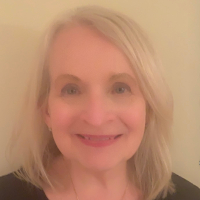
About Deborah
She brings a background that includes a Master of Science in Family Therapy and prior roles in human resources and education. That background informs practical problem-solving in sessions and an understanding of everyday pressures many people face.
In session she focuses on strengths and helps clients identify specific steps they can try between meetings. She uses familiar, goal-oriented tools from cognitive behavioral approaches and other therapies to address thoughts, behaviors, and relationship patterns.
Clients can expect a straightforward, respectful conversation about what matters to them. Deborah pays attention to faith and moral values when those are important to a person’s goals and decisions.
Her additional focus areas include caregiver stress, chronic illness and disability, cancer-related concerns, adoption and foster care matters, and aging and geriatric issues. She also works with challenges such as grief, addictions, sleep and eating concerns, and self-esteem.
Her long experience in community and private settings means she is used to practical problems and everyday constraints. People looking for clear strategies for relationships, mood, or life changes later in life may find her approach helpful.
Areas of expertise
Primary focus
Also works with
Additional focus areas
Therapeutic approaches
Experience
30+ years
Credentials
Illinois
Languages
English
How her approaches translate to online work
Acceptance and Commitment Therapy (ACT) focuses on values and small behavioral steps. It helps people notice what matters to them and try actions that fit those values, which can be useful for mood, grief, and life changes.Cognitive Behavioral Therapy (CBT) looks at how thoughts and behaviors interact. It teaches practical skills for managing anxiety, depression, and sleep or eating concerns through exercises and homework.
Attachment-Based Therapy pays attention to relationship patterns and how early connections affect present relationships. It is often useful for intimacy-related issues, attachment concerns, and caregiving stress.
Choosing the right approach is part of the work. The therapist will talk with the client about needs, goals, and preferences and then use one or more methods in a collaborative way. That process helps shape what is tried in sessions and at home between meetings.
Session formats are not listed in the biography, so confirm what is offered before booking. Many people find online sessions help fit meetings around caregiving, medical appointments, or travel. Phone sessions can be less demanding on bandwidth and easier for short check-ins, while video can help with more involved conversations that benefit from visual cues. Discussing practical scheduling needs is part of the first steps together.
Frequently asked questions
What kinds of concerns does she help with?
She works with stress, anxiety, depression, trauma and relationship challenges. Her scope also includes caregiver issues, grief, addictions, and aging and geriatric issues.
What is her therapeutic style?
She uses practical, goal-focused methods drawn from cognitive behavioral and acceptance-based approaches. Sessions aim to identify steps a person can try between meetings.
How much experience does she have?
She has 30 years of clinical experience, including work in public and private mental health settings and roles in education and human resources.
What are her credentials and where is she based?
She is an Illinois LCPC and practices from Illinois.
Does she work in languages other than English?
Sessions are offered in English.
What session formats does she offer?
Please confirm current session options before booking, as formats are not specified in the biography.
How are sessions paid for and what does cost look like?
Costs vary by location; sessions use a subscription that can be canceled at any time.
How do I begin working with her?
Select the See online therapy options button, complete a short matching questionnaire, and schedule a first session.