- Stress and anxiety
- Caregiver support
- Mindfulness and CBT
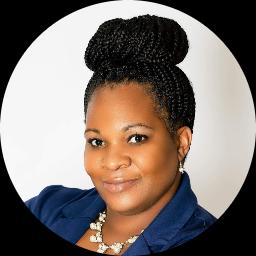
About Christine
She uses clear, practical methods in sessions and aims to help people build better day-to-day coping skills. Christine helps clients talk through self-esteem struggles, manage symptoms of ADHD and bipolar disorder, and address substance use and addiction concerns. She also supports people dealing with trauma, abuse, abandonment, and family of origin problems.
Christine draws on client-centered approaches alongside cognitive behavioral and mindfulness techniques to help people notice unhelpful thinking and try different ways of responding. She also uses skills from dialectical behavior therapy and emotionally-focused work when relationships or intense emotions are involved. Sessions tend to focus on concrete skills, improved communication, and manageable changes clients can try between meetings.
Her practice includes attention to multicultural and gender-related issues, and she supports LGBT concerns and adoption or foster-care backgrounds. Christine often works with caregivers and people managing the strains that come with supporting an older relative or partner.
People who choose her often want straightforward strategies and a therapist who will work with them on realistic goals. To begin, she asks people to describe their immediate concerns and what they hope to change in short, practical terms.
Areas of expertise
Primary focus
Also works with
Additional focus areas
Therapeutic approaches
Experience
17+ years
Credentials
Florida
Languages
English
How Christine uses therapeutic approaches in online sessions
Client-centered therapy focuses on listening and reflecting what matters to the person. It helps clients name priorities and set goals in their own words. Cognitive behavioral therapy (CBT) looks at patterns of thinking and behavior and teaches simple exercises to test and change unhelpful reactions. CBT is commonly used for anxiety, depression, and stress. Dialectical behavior therapy (DBT) offers concrete skills for managing intense emotions and improving relationships, such as distress tolerance and emotion regulation.Choosing the right approach is part of the work together. The therapist will talk with the client about goals, preferences, and what has or has not helped in the past. From that conversation, she recommends which methods to try and adjusts them as needed in subsequent sessions.
The practice has not specified which remote session formats are offered here, so confirm current session options before booking. Online sessions can make it easier to fit therapy into a busy week, shorten travel time, and allow for quick check-ins between in-person visits. They also allow sessions to focus on practical skill-building that clients can practice in daily life.
Frequently asked questions
What kinds of concerns does she address related to later life?
She lists aging and geriatric issues along with caregiver stress, grief, coping with life changes, and relationship problems.
What is her therapy style?
She blends client-centered work with cognitive behavioral and mindfulness techniques, focusing on practical skills and improved communication.
How much experience does she have?
She has 17 years of experience as a mental health professional working with a range of emotional and life challenges.
What are her credentials and where is she based?
She is a Florida LMHC and practices in Florida.
Which languages are offered for sessions?
Sessions are offered in English.
Can people outside the country work with her?
She does not accept international clients at this time.
How are sessions paid for?
Cost varies with location and sessions use a subscription model that can be canceled at any time.
How do I begin a first session?
Use the See online therapy options button, complete a short matching questionnaire, and schedule a first session.