- Attachment focus
- CBT and DBT skills
- Caregiver stress
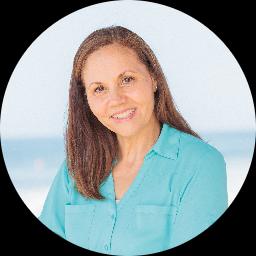
About Christina
She uses a mix of practical methods to help people manage symptoms and solve everyday problems. Sessions often include talking through current struggles, clarifying goals, and practicing new ways of responding to stress and difficult emotions. Christina notes a Christian-informed perspective and respects clients' values and backgrounds.
Her work often attends to how attachment patterns shape relationships and coping. That includes looking at communication, boundaries, and patterns of dependency or control that make situations harder. She also addresses issues like sleep, eating, substance use, and anger in straightforward ways tied to daily routine.
Clients who are caring for an aging relative or managing their own health concerns can expect direct help with caregiver strain, planning next steps, and handling grief. Christina brings two decades of experience to these problems and focuses on concrete skills as well as understanding what sits behind them.
Practical steps in therapy can include behavioral tools from cognitive behavioral approaches, emotion regulation skills from dialectical methods, and exploration of meaning and values from existential work. Christina tailors conversations to what each person needs and helps set small, manageable goals.
Areas of expertise
Primary focus
Also works with
Additional focus areas
Therapeutic approaches
Experience
22+ years
Credentials
California
Languages
English
Therapeutic approaches and online sessions
Christina draws on cognitive behavioral therapy to help people notice and change unhelpful thinking and behavior patterns. CBT is useful for anxiety, depression, sleep and eating problems, and practical coping skills.She also uses attachment-based work to look at relationship patterns and how early bonds affect current responses. This approach helps with communication, dependency issues, grief, and caregiver relationships.
Finding the right approach is part of the work. Christina will work together with each person to identify goals and decide which methods fit best. That collaborative decision is revisited as needs change and progress is made.
The practical benefits of online therapy can include easier scheduling and fitting sessions into a busy day. Confirm the available session formats before booking, as formats are not specified here. Online sessions often make it simpler to have regular check-ins, use brief phone check-ins when needed, or follow up without travel. Licensed professionals can adapt CBT and attachment-focused work to the online setting to teach skills, practice communication, and plan next steps.
Frequently asked questions
What problems does she help with?
She works with stress, anxiety, depression, trauma, addictions, relationship and family concerns, grief, caregiver stress, and aging-related issues.
What is her therapeutic style?
She combines attachment-based, client-centered, cognitive behavioral, dialectical, and existential approaches to address thoughts, emotions, and relationships.
How much experience does she have?
Christina has 22 years of clinical experience as a therapist working with adults on complex life challenges.
What credentials and location should I know?
She is a California Licensed Marriage and Family Therapist (LMFT) and practices in California.
Which languages are supported?
Sessions are offered in English.
Are international clients accepted?
She does not accept international clients at this time.
How are sessions priced?
Cost varies with location; sessions use a subscription that can be canceled at any time.
How do I begin working with her?
Select the See online therapy options button, complete a short matching questionnaire, and schedule a first session.