- Stress and anxiety
- Addiction recovery
- Caregiver support
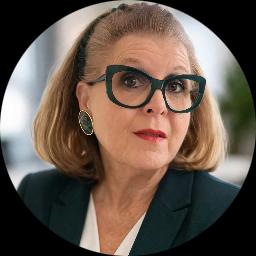
About Christie
Her style is straightforward and person-focused. She helps clients clarify thoughts and feelings that led them to counseling and centers the work on the client’s hopes and goals. When past experiences are affecting present life, she and the client decide together which parts of the past to examine and which to leave behind.
Dr. Taylor has a long history leading mental health and addiction programs in both public and private settings. Her roles have included clinical director of psychiatric hospitals and CEO of nonprofit addiction services. She has provided direct counseling across levels of care from inpatient to outpatient.
She has taught mental health and addiction topics as adjunct faculty at several universities, including the University of St. Thomas and the University of Houston addiction training program. That teaching work informs how she shares practical skills in sessions and in groups.
In therapy she emphasizes recovery from substance use when relevant, and practical ways to change thought patterns that affect feelings. She has experience supporting teens affected by parental addiction and works with adults facing caregiving, retirement, or other later-life transitions.
Areas of expertise
Primary focus
Also works with
Additional focus areas
Therapeutic approaches
Experience
30+ years
Credentials
Texas
Languages
English
Therapeutic approaches used in remote sessions
Attachment-Based Therapy focuses on patterns in close relationships and how early bonds affect trust and connection. It can help with relationship difficulties, caregiving strains, and intimacy-related concerns by clarifying attachment styles and improving communication. Cognitive Behavioral Therapy (CBT) looks at the links between thoughts, feelings, and behaviors. CBT teaches practical skills to reduce anxiety, manage mood symptoms, and address unhelpful thinking that gets in the way of daily life.Finding the right approach is part of the work. The therapist will review a client’s needs, goals, and preferences and suggest which methods to try. That process is collaborative and may mix elements from different approaches to fit what the person wants to accomplish.
Session options are not listed in the biography, so confirm formats before booking. Many people value remote sessions because they can fit therapy into a busy day, reduce travel, or make check-ins easier during caregiving or treatment schedules. Phone-only meetings can be shorter and need less bandwidth, while video sessions allow for face-to-face conversation when helpful. Talk with the therapist about which setup best fits your routines and comfort.
Frequently asked questions
Which concerns does she address?
She works with stress, anxiety, depression, addictions, trauma, grief, relationship and intimacy issues, ADHD, and many life changes including aging and geriatric issues.
What is her therapy style like?
Her approach is direct and client-focused. She helps people clarify thoughts and feelings and focuses on practical steps toward the client’s goals.
How much clinical experience does she have?
She has over 30 years of experience leading mental health and addiction programs and providing direct counseling in a range of settings.
What credential does she hold and where is she located?
She is an LPC (Licensed Professional Counselor) in Texas and practices from that state.
Are sessions available in languages other than English?
Sessions are offered in English.
What session formats are offered?
Session formats are not specified in the biography; please confirm current session options before booking.
How are fees handled?
Cost varies with location; sessions use a subscription that can be canceled at any time.
How do I begin a first session?
Use the See online therapy options button, complete a short matching questionnaire, and schedule a first session.