- Stress and anxiety
- Caregiver issues
- CBT and DBT skills
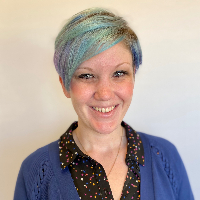
About Cassandra
She uses practical, person-focused methods in sessions. Cassandra draws on client-centered therapy to follow the client's lead and build a working relationship. She also uses Cognitive Behavioral Therapy to identify unhelpful thought patterns and Dialectical Behavior Therapy skills for emotion regulation when needed.
Cassandra often helps people manage life transitions, including caregiving responsibilities and changes that come later in life. She works with issues related to identity, including LGBT and gender dysphoria concerns, and with the stress that comes from family-of-origin problems, blended families, or adoption and foster-care backgrounds.
Sessions include straightforward problem solving, skill teaching, and reflective conversation. Cassandra explains options clearly and will be direct about goals and next steps. She uses motivational interviewing to support people who are ambivalent about change, such as those dealing with substance use or behavior change.
Her practice aims to help clients reduce distress and improve day-to-day functioning. Cassandra encourages people to try a first session to see whether her style fits their needs and preferences.
Areas of expertise
Primary focus
Also works with
Additional focus areas
Therapeutic approaches
Experience
3+ years
Credentials
Connecticut
Languages
English
How her approaches are used in online sessions
Client-Centered Therapy focuses on listening and responding to what the person says. The therapist follows the client's pace and priorities and helps clarify goals. Cognitive Behavioral Therapy (CBT) breaks problems into thoughts, behaviors, and feelings, and teaches practical steps to change unhelpful patterns. CBT can help with anxiety, depression, and coping with life changes. Dialectical Behavior Therapy (DBT) offers concrete skills for managing strong emotions and reducing impulsive behavior; it can be useful for people who want tools to steady intense reactions.Finding the right approach is part of the work. Cassandra will discuss options and help decide what fits a person's needs and preferences. She uses a collaborative style and may mix methods as goals become clearer, checking in regularly about what is helping.
The original biography describes availability by video, phone, and text as options, so confirm current session formats before booking. Ask about evening and weekend times if those are needed. Online sessions can make it easier to fit therapy into a busy day, allow shorter check-ins when helpful, and avoid travel time. If video feels difficult, phone or text can be used for connection and progress while still keeping sessions practical and focused.
Frequently asked questions
What concerns does she help with?
She works with stress, anxiety, depression, grief, trauma, addictions, relationship and parenting issues, and aging and geriatric concerns.
How would you describe her approach?
She combines client-centered listening with Cognitive Behavioral Therapy and Dialectical Behavior Therapy skills, plus motivational interviewing and mindfulness practices.
How much clinical experience does she have?
She holds an LCSW and has three years of direct clinical experience in her current role.
Where is she based and licensed?
She practices in Connecticut and is credentialed as a CT LCSW.
Which languages are supported?
Sessions are offered in English.
Can international clients work with her?
She does not accept international clients at this time.
How are costs handled?
Cost varies with location; sessions use a subscription that can be canceled at any time.
How do I begin working with her?
Select the See online therapy options button, complete the short matching questionnaire, and schedule a first session.