- Stress and anxiety
- Caregiver support
- Mindfulness and CBT
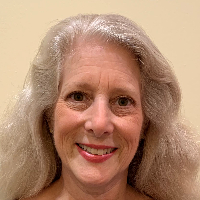
About Caryn
Caryn begins by listening to what matters most to the person in front of her. She asks about strengths, everyday routines, and what has been tried so far. Sessions focus on clear, practical steps alongside space to talk through feelings. The approach mixes client-centered conversation with cognitive behavioral techniques and motivational interviewing.
She uses elements of dialectical behavior therapy and emotionally focused ideas when helpful, and offers mindfulness practices for managing stress and sleep. Sessions often include learning specific skills for handling difficult thoughts, regulating emotion, and improving communication with family members. Practical tips and short exercises are commonly part of the work.
Caryn has worked in a variety of settings and aims to help people gain clarity and build confidence to make changes. She tends to combine supportive listening with structured tools depending on the issue. Many people meet to address a single problem, while others come for several sessions to navigate more complex situations.
To begin, she gathers a clear picture of what you want to change and helps set goals that are realistic and measurable. The focus is on making thoughtful, manageable shifts that fit day-to-day life.
Areas of expertise
Primary focus
Also works with
Additional focus areas
Therapeutic approaches
Experience
10+ years
Credentials
Illinois
Languages
English
Therapeutic approaches in online sessions
Client-centered therapy focuses on listening and building an understanding of your strengths and struggles. It helps people clarify what matters most and set practical goals for change.Cognitive Behavioral Therapy, or CBT, looks at the links between thoughts, feelings, and actions. It teaches skills to change unhelpful thinking and to try new behaviors for problems like anxiety, sleep issues, and low mood.
Dialectical Behavior Therapy, or DBT, offers concrete tools for emotion regulation, distress tolerance, and clearer communication. These skills can be useful for strong mood swings, anger, and situations that feel overwhelming.
Finding the right approach is part of the work together. The therapist will talk with the client about goals and preferences, and will suggest methods that fit those needs. Decisions about techniques are collaborative and may change as progress is made.
Session formats are not specified in the biography, so confirm current session options before booking. Online sessions can make it easier to fit therapy into a busy day, reduce travel time, and allow shorter check-ins when needed. They also allow the use of guided exercises, homework, and mindfulness practices between meetings to support steady progress.
Frequently asked questions
What types of concerns does she address?
She works with stress, anxiety, depression, grief, relationship and family issues, addiction, sleep problems, caregiver stress, chronic illness, and aging and geriatric issues.
How would you describe her therapeutic style?
Her style combines client-centered conversation with cognitive behavioral techniques, motivational interviewing, DBT elements, EFT ideas, and mindfulness practices to address thoughts, feelings, and behavior.
How much clinical experience does she have?
She has about 10 years of professional experience working in multiple settings with people facing medical, emotional, and life transition challenges.
What are her credentials and where is she based?
She is an LCSW licensed in Illinois and practices with clients in that state.
Which languages are supported for sessions?
Sessions are offered in English.
Can she work with people outside the United States?
International clients are not currently accepted.
How are sessions scheduled and how much do they cost?
Cost varies with location and sessions use a subscription that can be canceled at any time.
What do I do to get started?
Select the See online therapy options button, complete the short matching questionnaire, and schedule a first session.