- CBT methods
- DBT skills
- Attachment work
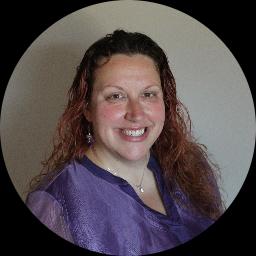
About Bryanne
She uses straightforward, skills-based methods in sessions. That can mean learning ways to manage strong emotions, practicing new communication habits, or trying specific strategies to reduce anxiety and reactivity. Sessions also include time to make sense of loss, process traumatic memories, and plan practical next steps for everyday problems.
Her background includes work in community mental health and outpatient settings. Bryanne draws on several clinical approaches such as attachment-based ideas, cognitive behavioral therapy (CBT), dialectical behavior therapy (DBT), client-centered principles, and relationship work informed by the Gottman Method. These approaches guide the kinds of tools and conversations she brings into sessions.
People often come for help with caregiver stress, chronic illness or pain, changes that come with later life, and challenges around identity and intimacy. She also supports people managing ADHD, eating concerns, anger, and career stress. The focus is on practical skills, clearer communication, and steady problem solving.
Her style is direct and collaborative. New clients are invited to complete a short questionnaire to match with services and then schedule a first session. The cost varies with location and sessions use a subscription that can be canceled at any time.
Areas of expertise
Primary focus
Also works with
Additional focus areas
Therapeutic approaches
Experience
10+ years
Credentials
Wisconsin, Michigan
Languages
English
How Bryanne’s approaches work in remote sessions
Attachment-based work focuses on relationships and how early bonds shape current closeness and trust. In practice this can help people understand patterns in family and partner connections, and change how they relate to others.Cognitive Behavioral Therapy (CBT) looks at thoughts, feelings, and actions. It teaches concrete ways to reduce anxiety or low mood by testing unhelpful thoughts and practicing new behaviors.
Dialectical Behavior Therapy (DBT) offers specific skills for managing intense emotions and improving interpersonal effectiveness. It is useful for people who need steady tools to tolerate distress and improve communication.
Deciding which approach to use is a collaborative process. The therapist will talk with the client about goals, what has helped or not helped before, and then try approaches that fit those needs. Adjustments are made as work proceeds so methods match the person's pace and preferences.
Confirm the exact session formats when you book, since formats are not specified in the biography. Online sessions can make it easier to fit therapy into a busy day, reduce travel time, and allow shorter check-ins when needed. These practical benefits help therapy fit into everyday life while focusing on the same skills and relationship work used in face-to-face care.
Frequently asked questions
What kinds of problems does she address?
She works with stress, anxiety, depression, grief, trauma, parenting concerns, addictions, relationship and intimacy issues, and aging and geriatric issues.
How would you describe her therapy style?
Her approach is practical and skills-focused, using problem solving, emotional regulation skills, and communication practice in sessions.
How much clinical experience does she have?
She has ten years of professional experience working in community mental health and outpatient settings.
What are her credentials and where is she based?
She holds the credentials LMSW and LCSW and practices in Michigan.
Can I work with her if I speak another language?
Sessions are offered in English.
Which session formats are available?
Confirm current session options before booking, as the biography does not specify particular formats.
How does pricing work for sessions?
Cost varies with location and sessions use a subscription model that can be canceled at any time.
What are the first steps to start therapy?
Select the See online therapy options button, complete a short matching questionnaire, and schedule a first session.