- Stress and anxiety
- Grief and loss
- Caregiver strain
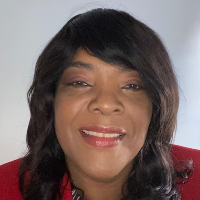
About Brenda
Her approach blends practical and reflective methods. Sessions often focus on identifying clear goals and taking small steps toward them. She uses techniques from Cognitive Behavioral Therapy and Acceptance and Commitment Therapy to help with thoughts, behaviors, and values-based choices. Narrative and Emotionally-Focused ideas shape work on relationships and personal stories.
In sessions she helps people talk through changes like retirement, health setbacks, and loss. She also addresses family of origin issues, blended family dynamics, and communication problems that arise later in life. Conversations can include coping strategies for hospice, end-of-life planning, and caregiver stress.
Dr. Kemp keeps therapy straightforward and conversational. She listens for patterns in how people think about themselves and their relationships, then practices new ways of responding. Work may include skill-building, revisiting difficult memories, and rewriting unhelpful narratives.
Clients choose therapy to manage everyday pressure, repair closeness with others, or adjust to major life transitions. To begin, visitors follow the site’s booking path and complete a short matching questionnaire before scheduling a first session.
Areas of expertise
Primary focus
Also works with
Additional focus areas
Therapeutic approaches
Experience
16+ years
Credentials
Georgia
Languages
English
Therapeutic approaches and how they fit online
Acceptance and Commitment Therapy (ACT) focuses on values and committed action. It helps people notice unhelpful thoughts and choose small steps that match what matters to them, which is useful for life changes and caregiving stress. Cognitive Behavioral Therapy (CBT) looks at the links between thoughts, feelings, and behaviors. It teaches practical skills to manage anxiety, depression, and everyday stress by changing thinking patterns and building coping routines. Emotionally-Focused Therapy (EFT) attends to relationship patterns and emotional responses, helping partners or individuals understand attachment needs and repair connection when trust or intimacy has been harmed.Deciding which approach to use is a collaborative process. The therapist will work with the client to identify goals, try methods that match those goals, and adjust the plan over time. Sessions may draw from more than one model so that the work addresses current problems and longer standing patterns together.
Confirm the session formats before booking because the biography does not list them. Online work can make it easier to fit therapy into a busy day and reduce travel time. It can also allow shorter check-ins when needed, or let a person choose whether to be on camera. Discussing logistics and preferences happens during the first appointment so practical arrangements support the therapeutic goals.
Frequently asked questions
What kinds of concerns does she address?
She works with stress, anxiety, depression, relationship and family issues, grief, caregiver stress, aging and geriatric issues, trauma, addiction, ADHD, and related topics.
How would you describe her therapeutic style?
Her style is direct and conversational, combining goal-focused work with reflective discussion. She uses practical techniques and relational work to help people make changes.
How long has she been practicing?
She has 16 years of experience as a counselor working with a range of mental health and relationship concerns.
What credential does she hold and where does she practice?
She is a Licensed Professional Counselor (LPC) practicing in Georgia.
Does she offer sessions in other languages or to international clients?
Sessions are offered in English. She is not accepting international clients.
What session formats are available?
Please confirm current session options before booking, as the biography does not list specific formats.
How are sessions paid for and what does it cost?
Cost varies by location; sessions use a subscription model that can be canceled at any time.
How do I begin working with her?
Use the See online therapy options button, complete the short matching questionnaire, and schedule a first session.