- Stress and anxiety
- Addiction support
- Caregiver issues
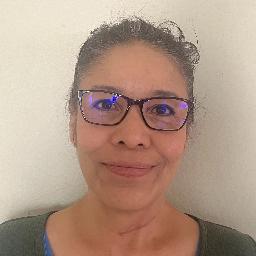
About Angela
She uses clear, direct conversations to help people make sense of what they are facing. Sessions focus on practical steps, noticing patterns, and building everyday coping skills. Angela draws on approaches such as Acceptance and Commitment Therapy and Cognitive Behavioral Therapy to help with thoughts and behaviors, and Attachment-Based and Emotionally-Focused work for relationship concerns.
Her background includes long-term work in clinical social work and marriage and family therapy, including experience with foster care, veterans, and addiction clinic settings. That history informs how she looks at trauma, poverty, and the stresses that come with caregiving and family roles.
In sessions Angela listens, asks straightforward questions, and helps people name what matters most to them now. She pays attention to relationship patterns and how past losses or attachment wounds show up in daily life. Conversations are practical and aimed at small, sustainable changes.
People who come for support often want help with communication, coping after loss, handling substance concerns, or managing anxiety and mood changes. Angela works with each person to set goals and try approaches that fit their situation. To begin, prospective clients follow the online matching and scheduling steps provided by the service.
Areas of expertise
Primary focus
Also works with
Additional focus areas
Therapeutic approaches
Experience
30+ years
Credentials
Montana, Montana
Languages
English
Therapeutic approaches and how they work online
Acceptance and Commitment Therapy (ACT) focuses on clarifying values and taking action toward them, even when difficult thoughts or feelings are present. It can help with anxiety, depression, and coping with life changes by teaching practical ways to move forward. Cognitive Behavioral Therapy (CBT) looks at the link between thoughts, feelings, and behavior and helps people try different responses to reduce distress and improve daily functioning. Attachment-Based Therapy concentrates on how early relationship patterns affect current connections and can be useful for intimacy and communication problems.Finding the right approach is part of the work. The therapist will review what you want to change and discuss which methods seem to fit your goals and preferences. That decision is collaborative and can be adjusted as sessions progress.
The original biography does not list specific session formats, so confirm the current options before booking. Online work can make it easier to fit appointments into a busy week, reduce travel time, and allow shorter check-ins when needed. It also supports working with relationship patterns and emotion regulation in regular sessions without requiring a change to daily routines.
Frequently asked questions
What concerns does she help with?
She works with stress, anxiety, addictions, depression, grief, trauma, relationship and intimacy issues, and aging and geriatric issues among other concerns.
What is her therapeutic style?
Her style is conversational and practical. She focuses on noticing patterns, setting small goals, and using skills from evidence-based approaches.
How much experience does she have?
She has 30 years of clinical experience, including work in social work, foster care, veterans services, and addiction clinic settings.
What are her credentials and where is she based?
She holds Montana LCSW and Montana LMFT credentials and practices in Montana.
Which languages are supported?
Sessions are offered in English and she accepts international clients.
What session formats are available?
The original biography does not specify session formats. Confirm current session options before booking.
How does cost work for sessions?
Cost varies with location; sessions use a subscription that can be canceled at any time.
How do I get started?
Select the See online therapy options button, complete the short matching questionnaire, and schedule a first session.