- CBT techniques
- Client-centered work
- Solution-focused steps
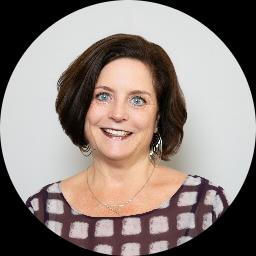
About Amy
Her approach centers on the person in front of her. She uses client-centered methods to listen and help people set clear goals. Amy mixes cognitive behavioral ideas with solution-focused and motivational techniques to turn goals into practical steps.
In sessions she helps people identify unhelpful thinking patterns and then practices different ways of responding. She also supports people who are coping with major life changes such as retirement or caregiving. For those dealing with grief or loss she offers concrete tools to manage strong emotions and the tasks that follow.
Amy pays attention to relationships and family history when they matter to current concerns. She helps clients sort communication problems, attachment issues, and family of origin patterns. She also works with people facing caregiver strain and the decisions that come with later-life care.
Her style is practical and focused on actions people can try between sessions. Clients work together with her to set goals and move toward them step by step. The emphasis is on small, achievable changes that fit everyday life.
Areas of expertise
Primary focus
Also works with
Additional focus areas
Therapeutic approaches
Experience
10+ years
Credentials
Florida
Languages
English
How her approaches translate to online work
Amy frequently draws on client-centered work and cognitive behavioral therapy in session. Client-centered work means the therapist listens closely and helps the person set priorities for change. Cognitive behavioral therapy looks at thoughts and behaviors, and teaches practical skills to reduce anxiety or depression.She also uses solution-focused and motivational elements to break goals into short steps. These approaches are helpful for managing life transitions, caregiver strain, grief, and relationship problems because they focus on clear, achievable changes rather than long abstract plans.
Finding the right approach is part of the work together. Amy will discuss goals and preferences and then recommend starting techniques to try. This is a collaborative process and adjustments are made as needed based on what helps most.
If you want to use online sessions, confirm the specific session formats before booking. The main practical benefits are that remote sessions can fit into a busy day more easily, allow for shorter check-ins when needed, and make it possible to continue work during transitions such as retirement or changes in caregiving. Discuss format preferences when you schedule the first appointment to find what works for your routine.
Frequently asked questions
What kinds of concerns does she help with?
Amy works with stress, anxiety, depression, grief, relationship and parenting concerns. She also addresses trauma, addictions, caregiver stress, and aging and geriatric issues.
What is her therapeutic style?
She uses a client-centered approach combined with cognitive behavioral and solution-focused techniques. Sessions focus on setting goals and trying practical steps between meetings.
How much clinical experience does she have?
She has 10 years of post-licensure experience as a licensed clinical social worker. That experience includes work with mood, anxiety, trauma, and relationship concerns.
Where is she licensed and practicing?
She holds the Florida LCSW credential and practices in Florida.
What languages are sessions offered in?
Sessions are offered in English.
Can international clients work with her?
She is not currently accepting international clients.
How are fees handled?
Cost varies with location; sessions use a subscription that can be canceled at any time. Confirm fees during the signup process.
How do I begin working together?
Select the See online therapy options button, complete a short matching questionnaire, and schedule a first session.