- Stress and anxiety
- Grief and loss
- Attachment issues
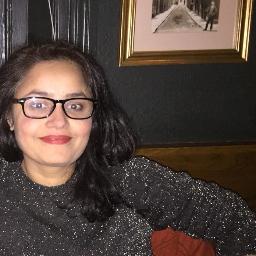
About Wajda
Wajda trained in humanistic counselling and holds a Foundation Degree in Humanistic Counselling from Middlesex University. She also has a BA (Hons) in Psychology, a Masters in Human Resource Management and a range of certificates including online and telephone counselling and training in trauma-informed assessment. Her membership of the British Association for Counselling and Psychotherapy (BACP) is noted in her credentials.
Her practice draws on person-centred and humanistic ideas alongside attachment-based perspectives. She may use Acceptance and Commitment Therapy, Emotionally-Focused Therapy, existential approaches and other methods depending on what a client needs. Creative activities and brief or solution-focused work are also part of her toolkit.
In sessions she aims to co-create the work with clients, encouraging honest reflection and respectful dialogue. She offers space to talk through feelings, practical choices and relationship patterns. Work can address practical problems such as sleep, eating or coping with life changes as well as deeper issues like trauma, attachment or identity.
Wajda also notes additional focuses including chronic illness and disability, body image, addiction, and compassion fatigue. She accepts international clients and asks people to confirm current remote session options when they book.
Areas of expertise
Primary focus
Also works with
Additional focus areas
Therapeutic approaches
Experience
4+ years
Credentials
BACP · United Kingdom
Languages
English
How her approaches translate to remote sessions
Acceptance and Commitment Therapy (ACT) helps people notice unhelpful thoughts and take actions that align with their values; it can be useful for anxiety, low mood and navigating life changes. Attachment-Based Therapy looks at relationship patterns and early bonds to understand current difficulties in trust and closeness. Client-Centred Therapy focuses on the client’s own perspective, using listening and reflection to help people clarify feelings and choices.Working out which approach to use is part of the work together. The therapist will discuss goals, preferences and what feels most useful, then agree the direction collaboratively. This means methods can be adjusted as needs change.
The biography notes remote sessions but does not list specific formats, so confirm the exact session options before booking. Many people find remote work helpful for fitting sessions into days with caregiving, clinic appointments or other commitments. Remote sessions can also make it simpler to have shorter check-ins, avoid travel, or use audio-only when that suits the situation. Registered or accredited professionals can adapt exercises, reflective work and creative tasks for remote delivery so practical progress remains possible.
Frequently asked questions
What concerns does she work with?
She works with stress, anxiety, depression, relationship and family concerns, grief, addictions, intimacy and ageing-related issues among others.
What is her therapeutic style?
Her approach is humanistic and person-centred with integration from attachment and emotion-focused methods. She may also bring in brief, creative or solution-focused techniques as needed.
How much experience does she have?
The profile records four years of clinical experience working with adults on a range of concerns.
What credentials and region are listed?
She is a BACP counsellor based in the United Kingdom and has a Foundation Degree in Humanistic Counselling.
Which languages are available?
Sessions are offered in English.
What session formats does she offer?
The biography states she provides remote sessions; confirm current session formats before booking to be certain.
How are sessions charged?
Cost varies with location and sessions use a subscription that can be cancelled at any time.
How do I begin working with her?
Select the See online therapy options button, complete the short matching questionnaire and schedule a first session.