- Anxiety and depression
- Parenting support
- Aging related concerns
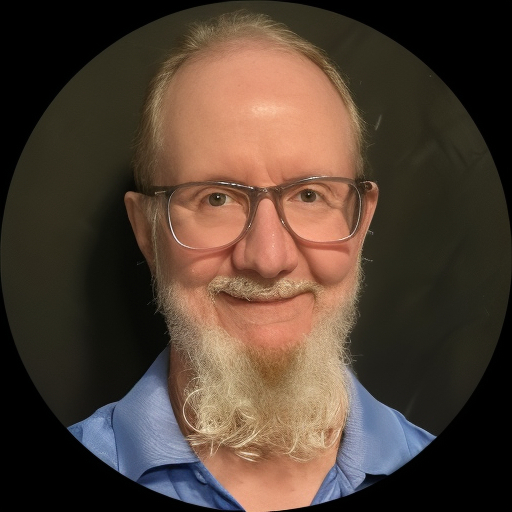
About Timothy
He has experience across a wide range of presenting problems and uses evidence-based therapeutic techniques. He values the working relationship and is interactive in sessions. He regularly assigns practical homework tasks that clients can do alone or with a support person.
Timothy aims to help people find practical, sustainable ways to manage symptoms and improve day-to-day functioning. Sessions tend to focus on skills you can apply between meetings and on solving problems that interfere with routines and relationships.
He also addresses concerns related to aging and geriatric issues, caregiver stress, attachment and family of origin problems, adoption and foster care histories, abandonment, and fatherhood issues. He has worked with people facing divorce, separation, guilt, and forgiveness needs as well.
When appropriate, Timothy uses structured approaches that have a research base and blends them with a collaborative style. He helps people practice new skills, tries out small changes in real life, and reviews progress in follow-up sessions.
Areas of expertise
Primary focus
Additional focus areas
Experience
32+ years
Credentials
Utah, Virginia, Arizona
Languages
English
How Timothy uses evidence-based approaches online
Timothy works with evidence-based therapeutic techniques that focus on practical skills and problem solving. One common approach emphasizes identifying patterns of thought and behavior, then testing small changes to reduce anxiety and depression. This helps people break cycles that keep stress and low mood active.Another frequent focus is skill-building for relationships and caregiving situations. This kind of work practices communication, boundary setting, and ways to manage caregiver stress so daily routines are less overwhelming.
Choosing an approach is collaborative. Timothy will talk with each person about their goals, preferences, and the kinds of changes they want to make. Together they decide which techniques to try and review what works as therapy progresses.
Confirm the session formats before booking, as the original biography does not list specific delivery methods. Online sessions can make it easier to fit therapy into a busy week, allow shorter check-ins when needed, and remove travel time. They also let people continue regular work on skills between meetings while accommodating caregiving and health schedules.
Frequently asked questions
What kinds of problems does he help with?
He works with stress, anxiety, depression, relationship strain, parenting challenges, and coping with life changes. Additional focus areas include caregiver stress, attachment issues, adoption and foster care histories, and aging and geriatric issues.
What is his style of therapy?
He uses evidence-based therapeutic techniques and places importance on the therapeutic relationship. Sessions are interactive and include practical homework to practice between meetings.
How much experience does he have?
He has 32 years of experience working with a wide range of mental health concerns. That experience includes both common difficulties like anxiety and complex presentations.
What are his credentials and where is he located?
He is an LCSW licensed in Arizona and Virginia and practices in Utah. The credential listed is LCSW.
Which languages are supported?
Sessions are offered in English.
Can international clients work with him?
He does not accept international clients at this time.
How are sessions paid for and what does it cost?
Cost varies with location. Sessions use a subscription that can be canceled at any time.
How do I get started with a first session?
Select the See online therapy options button, complete a short matching questionnaire, and schedule a first session.