- Stress and anxiety
- Chronic pain support
- Grief and loss
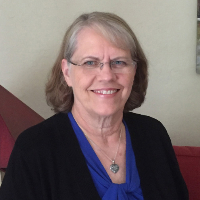
About Terry
Before counseling, she worked in business and supervision. That experience influenced her decision to study counseling and led to seven years in a community health clinic. In the clinic she worked with many people who had chronic pain and long-term health issues alongside emotional concerns. She also taught weight management and smoking cessation classes.
For the past two years she has been in private practice. She uses several approaches and chooses methods to fit what each person needs. That includes helping people change unhelpful habits of thought and behavior without pushing them to relive painful memories.
Terry describes her approach as neuro-cognitive, drawing on research that shows the brain can change. She blends client-centered conversations with cognitive tools and trauma-focused methods when appropriate. Her goal is practical change in daily life rather than rehashing the past.
People come to her for help with chronic pain, panic attacks, post-traumatic stress, isolation and grief, among other issues. She works with English-speaking clients in Texas and focuses on concrete steps people can use to manage symptoms and move forward.
Areas of expertise
Primary focus
Also works with
Additional focus areas
Therapeutic approaches
Experience
8+ years
Credentials
Texas
Languages
English
How her approaches translate to online work
Client-centered therapy focuses on listening and supporting a person to set their own goals. It helps with issues like grief, life changes, loneliness, and changes tied to aging by making space for the person to describe what matters most to them.Cognitive Behavioral Therapy, or CBT, teaches concrete skills to change unhelpful thoughts and behaviors. It is commonly used for anxiety, depression, panic attacks, sleep problems, and managing chronic pain by changing daily habits and reactions.
EMDR is a trauma-focused method that aims to reduce distress linked to painful memories. It may be offered when trauma or post-traumatic stress symptoms are part of the presenting concerns and the therapist and client agree it could help.
Finding the right approach is part of the work together. The therapist will help identify which methods fit the client’s needs, goals, and preferences. Decisions about techniques are made collaboratively and can change as progress is made.
Session formats are not specified in the biography, so confirm current online options before booking. Many people choose online sessions because they make it easier to fit appointments into a day, reduce travel time, or allow shorter check-ins when needed. Ask about the practical arrangements when you complete the matching questionnaire and schedule the first session.
Frequently asked questions
What concerns does she address?
She works with stress, anxiety, sleep problems, depression, trauma and abuse, grief, intimacy-related issues, bipolar disorder, and coping with life changes. Additional focus areas include caregiver stress, chronic pain, isolation and aging and geriatric issues.
What is her therapy style?
She combines client-centered conversations with neuro-cognitive ideas and practical techniques. She also uses approaches such as CBT, EMDR, hypnotherapy and existential thinking as appropriate.
How much clinical experience does she have?
She has eight years of experience in counseling, including seven years in a community health clinic and two years in private practice.
What are her credentials and where is she based?
She is a Licensed Professional Counselor (LPC) practicing in Texas.
Does she work in languages other than English?
Sessions are offered in English.
Can international clients work with her?
She does not accept international clients at this time.
How are sessions paid for?
Cost varies with location and sessions use a subscription that can be canceled at any time.
How do I begin a first session?
Click the See online therapy options button, complete a short matching questionnaire, and then schedule a first session.