- CBT techniques
- Mindfulness practice
- Motivational interviewing
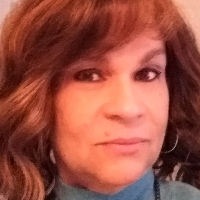
About Suzanne
She uses straightforward, evidence-informed methods such as Cognitive Behavioral Therapy and mindfulness to help people address unhelpful thoughts and manage symptoms. Suzanne also draws on Client-Centered Therapy and Motivational Interviewing to support motivation and decision making. Solution-Focused Therapy is used when clients want practical steps and short-term goals.
Her background includes work across service settings, including outpatient programs, community mental health, and substance use treatment programs. Suzanne has experience with Medication Assisted Therapy (MAT) settings and leading community support teams, and she has provided individual and group counseling.
In sessions she prefers video so people can connect visually, but she also offers telephone and live chat when those work better for a client. She commonly works weekday evenings and Saturday mornings to fit different schedules.
People contact Suzanne for help with bipolar disorder, depression, panic, trauma and abuse, and addiction-related issues. She assists with communication problems, blended family concerns, chronic pain and disability, and questions about life transitions that often come with aging and later life.
Areas of expertise
Primary focus
Also works with
Additional focus areas
Therapeutic approaches
Experience
18+ years
Credentials
North Carolina
Languages
English
Therapeutic approaches and online sessions
Suzanne frequently uses Cognitive Behavioral Therapy to identify and change unhelpful thought and behavior patterns that contribute to anxiety, depression, and sleep difficulties. CBT offers tools for managing symptoms and practicing new responses to stressful situations.She also uses Mindfulness Therapy to teach simple attention and breathing practices that reduce reactivity and support calmer thinking. Mindfulness can help with stress, chronic pain, and emotion regulation.
Finding the right approach is a collaborative process. Suzanne will discuss goals, preferences, and what has or has not worked in the past, then recommend techniques to try. She adjusts methods over time based on what is helpful for each person.
Her biography notes she prefers video for getting to know clients, and that telephone and live chat are available as alternatives. If you are considering online sessions, confirm the current session formats before booking so they match your needs. Online work can make it easier to fit appointments into a busy week, allow shorter check-ins when needed, and lower travel time so therapy fits into everyday life.
Frequently asked questions
What kinds of concerns does she work with?
Suzanne works with stress, anxiety, bipolar disorder, depression, addictions, grief, trauma and relationship concerns. She also lists aging and geriatric issues among her focus areas.
How would she describe her therapy style?
She blends Client-Centered Therapy with practical methods such as Cognitive Behavioral Therapy and Solution-Focused Therapy. Mindfulness and Motivational Interviewing are used to support coping and motivation.
How much experience does she have?
She has 18 years of clinical experience working in outpatient, community mental health, and substance use treatment settings.
Where is she licensed and practicing?
Suzanne is an LCMHC licensed in North Carolina and provides services from that state.
Which languages are supported in sessions?
Sessions are offered in English.
Can international clients work with her?
She does not accept international clients at this time.
How are sessions structured and what about cost?
Session cost varies with location and is billed through a subscription that can be canceled at any time.
How do I begin or schedule a first session?
Use the See online therapy options button, complete the short matching questionnaire, and schedule a first session.