- Client-Centred Therapy
- Grief and bereavement
- Caregiver stress
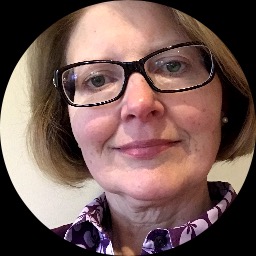
About Susan
She uses Client-Centred Therapy to create a conversational space where people can speak about what matters to them. That approach focuses on listening and reflecting back what the client says, so people can better understand their feelings and choices. Sessions are straightforward and paced to each person.
Susan often helps with problems that come with life transitions. This includes changes linked to ageing and geriatric issues, caring responsibilities, retirement adjustments and bereavement. She also supports people dealing with addiction, sleep and eating concerns, chronic illness and caregiver stress.
Her work extends to attachment and intimacy difficulties, boundaries and communication problems. She can talk through issues tied to self-esteem, abandonment and codependency. Practical coping strategies and clearer thinking about next steps are typical parts of the work.
Susan takes an open, conversational style and encourages clients to use their own strengths when possible. She accepts enquiries from people in the UK and from international clients who want to work in English. To begin, clients follow the service booking steps to match and schedule an initial session.
Areas of expertise
Primary focus
Also works with
Additional focus areas
Therapeutic approaches
Experience
10+ years
Credentials
BACP · United Kingdom
Languages
English
How Client-Centred work translates to online sessions
Client-Centred Therapy focuses on listening carefully to the person and reflecting back what is said. It helps people clarify feelings, make decisions and notice strengths. This way of working is useful for relationship problems, grief and anxiety because it supports clearer thinking and steadying emotions.The same listening-led approach applies when sessions take place remotely. The therapist and client work together to decide which methods suit the person best, and that choice can change as the work progresses. The therapist will check goals, preferences and any practical needs at the start so the approach fits the situation.
The practical benefits of remote work depend on the session formats available. The biography does not list specific formats, so confirm current options before booking. Remote sessions can make it easier to fit counselling around care duties, appointments and travel. They can also allow shorter check-ins when needed and reduce the time spent travelling to appointments.
Frequently asked questions
What kinds of problems does she help with?
She works with relationship issues, trauma and abuse, grief, intimacy problems, anxiety, depression and related concerns including ageing and geriatric issues.
What is her general therapeutic style?
Susan uses Client-Centred Therapy, which emphasises listening and reflecting so clients can find their own solutions and make sense of difficult feelings.
How much experience does she have?
She has over 10 years of professional work experience in the United Kingdom.
What are her credentials and where is she based?
She is registered with the BACP and works from the United Kingdom.
Can I work with her if English is not my first language?
Sessions are offered in English.
Does she accept clients from other countries?
International clients are accepted and can enquire to arrange sessions in English.
How are sessions paid for and what do they cost?
Session cost varies with location and sessions use a subscription that can be cancelled at any time.
How do I arrange a first session?
Select the See online therapy options button, complete the short matching questionnaire, and schedule a first session.