- Stress and anxiety
- Grief and loss
- Caregiver stress
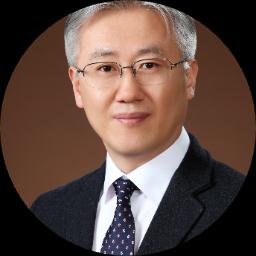
About Sung
He uses a mix of practical talking therapy and evidence-informed techniques. Sessions focus on what is happening now and on patterns that repeat over time. He helps people name feelings, notice patterns in relationships, and practice different ways of coping with loss, illness, and changing roles.
His work draws on Acceptance and Commitment Therapy, Attachment-Based approaches, Client-Centered listening, Cognitive Behavioral tools, and skills from Dialectical Behavior Therapy. That range lets him match the work to each person’s needs and goals. He pays attention to cultural background and to language needs, offering sessions in English and Korean.
Over three decades he has helped people facing grief, caregiver stress, chronic illness, and the emotional consequences of adoption or abandonment. In concrete terms he offers strategies for handling anxiety, tools for managing mood, and ways to improve communication with family or caregivers.
To begin, people fill a short questionnaire and schedule a first session. The practice uses a subscription billing model that can be canceled at any time, and some options are available for international clients. Confirm current session formats before booking.
Areas of expertise
Primary focus
Additional focus areas
Therapeutic approaches
Experience
30+ years
Credentials
New York
Languages
English, Korean
How his approaches translate to online work
Acceptance and Commitment Therapy (ACT) helps people notice thoughts and feelings without getting stuck in them and then take actions tied to personal values. It can help with anxiety, chronic illness adjustment, and decisions around caregiving or retirement.Attachment-Based Therapy looks at patterns in close relationships and how early experiences shape trust and communication. It can be useful for improving interactions with adult children, partners, or caregivers and for addressing abandonment and attachment issues.
Finding the right approach is part of the work. He will talk with each person about their goals and preferences and suggest which methods to try. That decision is collaborative and can change as therapy progresses.
The biography does not list specific session formats, so confirm which options are offered before booking. Online work can make it easier to fit sessions into a busy day, reduce travel time, allow shorter check-ins when needed, and let someone join from another city if they are an international client. Therapists generally adapt practices like ACT and Attachment work to phone or video when those formats are available, focusing on skills, safe pacing, and practical steps rather than lengthy assessments.
Frequently asked questions
What concerns does he help with?
He helps people with stress, anxiety, relationship problems, trauma and abuse, grief, and depression. He also works on issues like aging and geriatric concerns, caregiver stress, and chronic illness.
What is his general approach in sessions?
He combines talking therapy with practical techniques from ACT, CBT, DBT, Attachment-Based, and Client-Centered approaches. Sessions focus on current problems and repeating patterns in relationships and mood.
How much experience does he have?
He has 30 years of clinical experience working with adults on a wide range of emotional and life transition issues.
What are his credentials and where is he based?
He is listed as NY Psychoanalyst 000245 and practices in New York.
Which languages are supported?
Sessions are offered in English and Korean. International clients are accepted.
What session formats are available?
The biography does not list specific session formats. Confirm current session options before booking so you know whether phone, video, or in-person meetings are possible.
How does payment and cost work?
Cost varies with location. Sessions use a subscription that can be canceled at any time.
How do I get started?
Select the See online therapy options button, complete a short matching questionnaire, and schedule a first session to begin.