- Trauma and attachment
- Parenting support
- Aging and geriatric issues
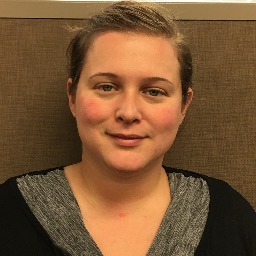
About Stephanie
In sessions she uses practical conversation and self-reflection to identify thoughts and behaviors a person wants to change. She and the client map out steps to manage stressors and long-term problems. The aim is to build awareness and clear next steps that feel doable.
Her background includes a focus on attachment issues and trauma, and she brings approaches that help people understand how past relationships shape current reactions. Therapy can include looking at patterns, practicing different ways of responding, and planning supports for caregiving or relationship stress.
She also works with people dealing with grief, anger, ADHD, compassion fatigue, and challenges tied to adoption, foster care, or abandonment. Sessions may include skill-building for communication, coping strategies for mood instability, and support for parenting roles.
Stephanie uses several clinical methods such as Acceptance and Commitment Therapy, Cognitive Behavioral Therapy, Attachment-Based Therapy, Emotionally-Focused Therapy, and a client-centered approach to guide work. Her practice emphasizes concrete steps, consistent reflection, and collaborative planning to address everyday concerns and longer term goals.
Areas of expertise
Primary focus
Also works with
Additional focus areas
Therapeutic approaches
Experience
11+ years
Credentials
New York, Connecticut, Ohio
Languages
English
How her main approaches translate to online work
Acceptance and Commitment Therapy (ACT) focuses on noticing thoughts and values, then taking steps that match what matters to you. It can help with anxiety, depression, and decisions about caregiving or life transitions.Attachment-Based Therapy looks at patterns from past relationships and how they affect current connections. It can be useful for people managing relationship stress, communication problems, or attachment-related worries in later life.
Cognitive Behavioral Therapy (CBT) helps identify unhelpful thoughts and try different behaviors. It is practical for mood disorders, stress, and managing anxiety symptoms.
Choosing the right approach is part of the work. The therapist will collaborate with each person to decide which methods fit their goals and preferences. That plan can change as needs evolve and as specific issues become clearer.
Confirm which session formats she currently offers before scheduling. When considering online sessions, practical benefits include easier fitting of appointments into a busy day, the option of shorter check-ins when needed, and fewer travel demands. Some formats make it easier to have a quick phone check-in, while video can support exercises that use verbal and visual cues. Ask about current options when you book so sessions match your daily routine and caregiving responsibilities.
Frequently asked questions
What concerns does she work with related to later life?
She lists aging and geriatric issues among her focus areas and helps with caregiving stress, grief, and life changes that come with later stages of life.
What is her approach in sessions?
She uses self-reflection and collaborative planning to target thoughts and behaviors a person wants to change. Methods include ACT, CBT, attachment work, EFT, and client-centered techniques.
How much experience does she have?
She has 11 years of clinical experience working with complex trauma, attachment issues, mood disorders, addictions, and related concerns.
What credentials and location are listed?
She holds LCSW and LISW credentials with New York noted as her location.
What languages are supported and can international clients connect?
Sessions are offered in English and she accepts international clients.
Which session formats are available?
The biography does not list specific session formats. Confirm current session options before booking.
How does pricing work?
Cost varies with location and sessions use a subscription that can be canceled at any time.
How do I begin working with her?
Select the See online therapy options button, complete a short matching questionnaire, and schedule your first session.