- Stress and anxiety
- Caregiver strain
- CBT and mindfulness
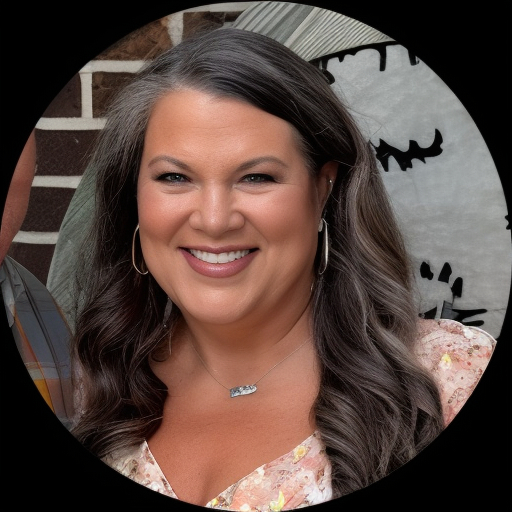
About Ruth
Ruth earned a master’s degree from Troy University in 2011 and has worked in community mental health since then. She draws on Client-Centered principles to keep sessions focused on each person’s concerns. She also uses Cognitive Behavioral Therapy to identify and change unhelpful thoughts and behaviors.
Dialectical Behavior Therapy skills and mindfulness practices are part of her toolkit for emotional regulation and coping with intense feelings. Motivational Interviewing is used when people want help clarifying goals or finding momentum for change. In sessions she aims to be direct and conversational rather than formal or scripted.
Her work includes issues that often affect people later in life, such as caregiver stress, loneliness, changes in family roles, and questions about purpose after retirement. She also addresses intimacy concerns, parenting, communication problems, and codependency. Ruth’s approach emphasizes practical tools people can try between meetings.
People who choose Ruth can expect clear explanations of techniques and a focus on actionable steps. She invites honest talk about what matters most and helps people break problems into manageable parts.
Areas of expertise
Primary focus
Also works with
Additional focus areas
Therapeutic approaches
Experience
14+ years
Credentials
Alabama
Languages
English
How Ruth’s approaches translate to online work
Client-Centered Therapy focuses on listening and making the session about the person’s priorities. Online sessions using this approach still center on what matters to the individual and on candid conversation about current problems and goals.Cognitive Behavioral Therapy (CBT) breaks problems into thoughts, feelings, and actions and offers clear exercises to change unhelpful patterns. In remote sessions, CBT works well for addressing anxiety, depression, and coping with life changes by assigning short practice tasks between meetings.
Dialectical Behavior Therapy (DBT) skill-building helps with emotional regulation, distress tolerance, and improving relationships. When used online, DBT can include practicing grounding and breathing techniques together and reviewing real-life examples brought to session.
Finding the right approach is part of the work. Ruth will collaborate with each person to pick methods that fit their needs, goals, and preferences. She checks in and adjusts the plan as progress is made or as life circumstances change.
Session formats are not specified in the biography, so confirm current options before booking. Remote sessions can make it easier to fit therapy into a busy day, reduce travel time, allow shorter check-ins when needed, and make practicing skills between meetings more practical.
Frequently asked questions
What concerns does she address?
Ruth works with stress, anxiety, depression, bipolar disorder, grief, trauma, relationship and family issues, caregiver stress, and aging and geriatric issues among other concerns.
What is her therapy style?
She keeps sessions conversational and practical, using Client-Centered approaches alongside cognitive behavioral and mindfulness techniques.
How much experience does she have?
Ruth has 14 years of experience working in community mental health settings since completing her master’s degree in 2011.
What are her credentials and location?
She is a Licensed Professional Counselor (LPC) licensed in Alabama and practices there.
Are sessions offered in other languages or countries?
Sessions are offered in English and international clients are not currently accepted.
What session formats are available?
The original biography does not list session formats; please confirm current session options before scheduling.
How is cost handled?
Cost varies with location and sessions use a subscription model that can be canceled at any time.
How do I begin working with her?
Select the See online therapy options button, complete a short matching questionnaire, and schedule a first session.