- Grief and loss
- Trauma recovery
- ADHD support
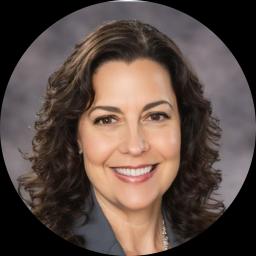
About Renee
She listens for what matters most and helps people name the problems they want to change. Sessions focus on practical steps - identifying thoughts and behaviors that get in the way, trying new ways of coping, and building routines that fit daily life. She uses clear methods rather than jargon so people can use what they learn between sessions.
Dr. Nelson blends approaches such as cognitive behavioral techniques and mindfulness to reduce distress and improve everyday functioning. For people with trauma histories she may use EMDR-informed strategies to address painful memories alongside grounding and pacing. Motivational interviewing is used to support change when people feel stuck.
Her work covers both emotional and practical concerns: caregiver stress, chronic illness and pain, communication problems, adoption and foster care issues, and life transitions like divorce or retirement. She helps people sort priorities and plan manageable steps for the situations they face.
Clients can expect a collaborative style where goals are reviewed and adjusted over time. Dr. Nelson describes therapy as a process of learning skills, testing them in real life, and refining strategies that fit each person’s circumstances.
Areas of expertise
Primary focus
Additional focus areas
Therapeutic approaches
Experience
20+ years
Credentials
Arizona
Languages
English
How Dr. Nelson’s approaches work in online sessions
Acceptance and Commitment Therapy (ACT) focuses on noticing thoughts and feelings without getting pulled into them, then committing to actions that match personal values. ACT can help with life transitions, coping with loss, and decisions that feel difficult. Cognitive Behavioral Therapy (CBT) helps identify unhelpful thought patterns and testing new behaviors. CBT is commonly used for anxiety, mood changes, and improving daily routines. Eye Movement Desensitization and Reprocessing (EMDR) involves structured work with distressing memories and related reactions. In practice it is used to reduce the intensity of traumatic memories while developing coping strategies for everyday life.Finding the right approach is part of the work together. The therapist discusses symptoms, goals, and preferences and then suggests options to try. Sessions can be adjusted as needed, combining methods like mindfulness, motivational interviewing, CBT, or EMDR-informed techniques to fit what the client needs.
The original biography does not list specific session formats, so confirm current options before booking. Many people choose remote sessions because they can fit appointments into caregiving schedules, reduce travel time, or make shorter check-ins easier to arrange. A collaborative plan will include practical scheduling and work tasks you can do between sessions to make progress.
Frequently asked questions
What kinds of problems does she work with?
She helps with grief, trauma and abuse, LGBT concerns, ADHD, and coping with life changes. Additional areas include caregiver stress, chronic illness, communication problems, and aging and geriatric issues.
How would you describe her therapy style?
Her style is collaborative and practical. She focuses on skills you can use between sessions and adjusts goals as needs change.
How much clinical experience does she have?
She has 20 years of clinical experience working with a range of concerns, including trauma recovery and long-term health-related stress.
What are her credentials and where is she based?
She is a Licensed Professional Counselor (LPC) licensed in Arizona. Her practice is located in Arizona.
Does she offer sessions in other languages?
Sessions are offered in English.
Can I have sessions remotely or from another state?
The original biography does not specify session formats; please confirm current session options before booking.
How much do sessions cost?
Cost varies with location. Sessions use a subscription that can be canceled at any time.
What do I need to do to start?
Select the See online therapy options button, complete a short matching questionnaire, and schedule a first session.