- Grief and loss
- Anxiety and depression
- CBT and DBT skills
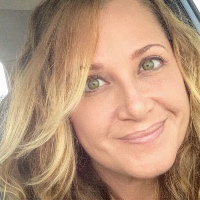
About Renée
Her style is direct and practical. She treats clients as the experts in their own lives and uses conversations to identify concrete changes to try. Sessions often include learning new coping skills, examining thoughts that get in the way, and practicing different ways of relating to others. Renée emphasizes resilience and building on what already works.
Renée draws on several evidence-informed methods. She uses client-centered listening to understand priorities. Cognitive Behavioral Therapy (CBT) helps when unhelpful thinking fuels anxiety or low mood. Dialectical Behavior Therapy (DBT) skills are used for emotional regulation and managing strong feelings.
Her background includes long experience with grief and loss, including loss to suicide, and a decade working with hospice and palliative care patients and their families. She co-founded the Tampa Bay chapter of the American Foundation for Suicide Prevention and has worked with children and adults in varied settings since 2002.
Practical matters are part of her approach. She helps people who are juggling caregiving, health changes, retirement concerns, or relationship strain to find manageable ways forward. To begin, readers follow the site process to match and schedule a first session.
Areas of expertise
Primary focus
Also works with
Additional focus areas
Therapeutic approaches
Experience
21+ years
Credentials
Florida
Languages
English
Therapeutic approaches and online sessions
Client-Centered Therapy focuses on listening and reflecting what matters most to the person. It helps clarify priorities and build on existing strengths by treating the client as the expert in their own life. Cognitive Behavioral Therapy, or CBT, breaks problems into thoughts, feelings, and behaviors and teaches practical techniques for shifting unhelpful thinking and improving mood. Dialectical Behavior Therapy, or DBT, offers concrete skills for managing strong emotions, improving relationships, and tolerating distress.Choosing the right approach is part of the work together. The therapist will discuss goals, preferences, and needs and suggest which methods to try first. That decision is collaborative and can change over time as progress is made or priorities shift.
The biography does not list specific session formats, so readers should confirm available options before booking. In general, online sessions can make it easier to fit therapy into busy days, reduce travel time, and allow shorter check-ins when needed. They also let people continue regular appointments while caring for a partner, managing health appointments, or handling other responsibilities at home. Licensed professionals adapt methods like CBT and DBT skills training to work in remote sessions, focusing on practical exercises and homework that fit daily life.
Frequently asked questions
What concerns does she work with?
Renée supports people with stress, anxiety, grief, depression, relationship and family issues, caregiving strain, and aging and geriatric issues.
How would she describe her therapy style?
She uses a strengths-based, practical approach that focuses on skills and small changes people can try between sessions.
How much experience does she have?
Renée has 21 years of counseling experience and has worked in hospice and palliative care for ten years.
What are her credentials and where is she located?
She is a Licensed Clinical Social Worker (LCSW) licensed in Florida.
Does she work in other languages or with international clients?
Sessions are offered in English and she is not accepting international clients.
What session formats are available?
The biography does not specify session formats; please confirm current session options before booking.
How are sessions paid for?
Cost varies with location and sessions use a subscription that can be canceled at any time.
What is the process to begin working together?
Click the See online therapy options button, complete a short matching questionnaire, and schedule a first session.