- Stress and anxiety
- Relationship issues
- Caregiver support
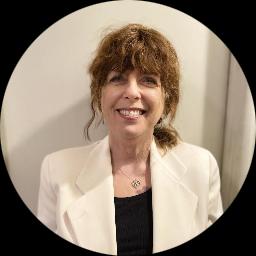
About Rebecca
Rebecca uses straightforward conversation to help people sort out what matters most to them. She listens for patterns in relationships and behavior, then helps people try different approaches to reduce distress. Sessions focus on practical steps and clearer communication rather than jargon or lengthy theory.
Her background includes long-term clinical work with people facing major life changes, caretaking responsibilities, and medical challenges. She incorporates elements from several approaches to match what a person needs in the moment. This can mean working on emotion regulation skills, changing unhelpful thinking, or improving how someone connects with a partner or family member.
Rebecca pays attention to how attachment history shapes current relationships. She also draws on cognitive behavioral strategies when thoughts and behaviors keep problems active. For people struggling with intense emotions or chronic patterns, she may bring in skills from dialectical behavior therapy to build steadier coping.
Clients can expect clear explanations of methods and concrete tools to practice between sessions. Rebecca invites questions and adjusts plans as goals change. To begin, people complete a short matching questionnaire and schedule a first session through the online options button.
Areas of expertise
Primary focus
Additional focus areas
Therapeutic approaches
Experience
35+ years
Credentials
California
Languages
English
How Rebecca applies therapeutic approaches in online sessions
Rebecca often combines attachment-focused work and cognitive behavioral techniques. Attachment-Based Therapy looks at how early relationship patterns affect current connections and helps people change how they relate to others. Cognitive Behavioral Therapy (CBT) identifies unhelpful thoughts and behaviors and teaches concrete strategies to shift them, which can help with anxiety, depression, and stress.Choosing an approach is collaborative. She will talk with each person about goals and preferences, then suggest methods that fit those needs. Adjustments are made as progress is reviewed so the work stays relevant to day-to-day concerns such as caregiving duties or managing health-related stress.
Session formats are not specified in the biography, so confirm current online options before booking. Many people find online sessions helpful because they make it easier to fit therapy into a busy day, reduce travel time, and allow shorter check-ins when schedules are tight. Online work can also let people focus on practicing skills in the settings where they live and care for others, and it supports consistent attendance during life transitions.
Frequently asked questions
What concerns does she address most often?
She works with stress, anxiety, addictions, relationship and intimacy-related issues, and depression. Her practice also includes aging and geriatric issues and caregiver stress.
What is her therapeutic style like?
She uses clear, conversational therapy that focuses on practical steps and better communication. Methods are explained plainly and applied to real-life situations.
How much experience does she have?
She has 35 years of professional experience working in clinical settings and community care.
What credential does she hold and where is she based?
She is a California LMFT and practices in California.
Which languages are supported?
Sessions are offered in English.
Can international clients work with her?
She does not accept international clients at this time.
How does billing and cost work?
Cost varies with location and sessions use a subscription that can be canceled at any time.
What are the first steps to begin?
Select the See online therapy options button, complete a short matching questionnaire, and schedule a first session.