- Stress and anxiety
- Caregiver support
- Cognitive Behavioral Therapy
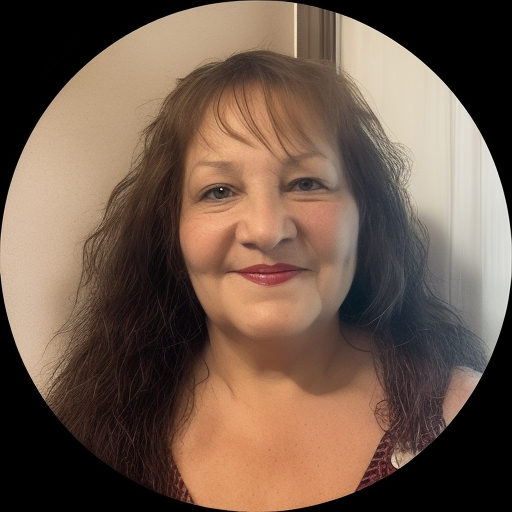
About Patricia
She uses straightforward talk and practical tools in sessions. Patricia draws on Cognitive Behavioral Therapy and Acceptance and Commitment Therapy to help people notice patterns and try new responses. She also uses Attachment-Based and Client-Centered approaches to focus on how relationships and personal values shape choices.
Sessions involve setting clear goals and trying small steps between meetings. Patricia helps people build skills for sleep, mood, and worry, and addresses communication and boundary-setting. When substance use or domestic violence issues come up she supports safety planning and problem solving alongside emotional work.
People can expect collaborative planning and regular review of what is working. Patricia pays attention to life-stage concerns such as retirement transitions, caregiving roles, and loss. She offers tools for managing daily stress and for rebuilding routines after change.
Patricia’s style is practical and person-focused. She helps clients weigh options, practice new habits, and build steadier daily routines. To begin, prospective clients complete a short matching questionnaire and schedule a first session through the online options.
Areas of expertise
Primary focus
Also works with
Additional focus areas
Therapeutic approaches
Experience
20+ years
Credentials
Florida
Languages
English
How her approaches translate to online work
Acceptance and Commitment Therapy (ACT) helps people notice unhelpful thoughts and reconnect with values. It is useful for anxiety, low mood, and coping with life changes by focusing on small, values-based steps. Cognitive Behavioral Therapy (CBT) teaches concrete skills to change patterns of thinking and behavior that keep problems going. CBT is often used for anxiety, depression, sleep problems, and worry. Attachment-Based Therapy looks at how relationship patterns affect emotional life and communication, which can help with intimacy-related issues and caregiver stress.Choosing the right approach is part of the work together. The therapist will discuss goals and preferences, try methods that fit, and adjust the plan based on what helps most. That collaboration means approaches can shift as needs change over time.
Confirm current session options before booking so you know which formats are offered. Online work can make it easier to fit sessions into a busy week, reduce travel time, and allow shorter check-ins when schedules require. It can also let people use audio-only sessions when less bandwidth is available or when a quieter setup is preferable. Practical arrangements and how sessions are scheduled are set up through the platform after the matching questionnaire is completed.
Frequently asked questions
What concerns does she address?
She works with stress, anxiety, depression, relationship issues, substance use, grief, caregiver stress, and aging and geriatric issues among other concerns.
What is her therapeutic style?
She uses practical, goal-focused work drawing on Cognitive Behavioral Therapy, Acceptance and Commitment Therapy, Attachment-Based and Client-Centered methods.
How much experience does she have?
She has 20 years of professional experience as a clinician in mental health.
What are her credentials and location?
She is a Florida LMHC and practices in Florida.
Which languages are supported?
Sessions are offered in English.
Can international clients work with her?
She is not accepting international clients at this time.
How are session costs handled?
Cost varies with location and sessions use a subscription that can be canceled at any time.
How do I get started?
Select the See online therapy options button, complete a short matching questionnaire, and schedule a first session.