- Stress and anxiety
- Grief and loss
- Caregiver support
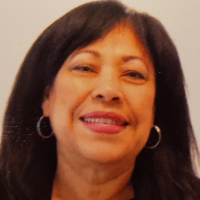
About Pamela
Her background includes training in health psychology and practical experience with chronic illness and pain, cancer, and caregiver stress. She also works with mood concerns such as depression and bipolar disorder, and with relationship and intimacy-related issues. She uses several evidence-informed approaches and adapts methods to the person in front of her.
In sessions she combines client-centered listening with structured techniques. She may use cognitive behavioral strategies to identify unhelpful thinking and DBT skills for emotion regulation. She also has experience with EMDR for trauma-related material and with EFT for relationship patterns.
Her work often attends to the effects of life transitions, family dynamics, and role changes that come later in life. She supports people coping with caregiving demands, loss, changing health, and the stress that follows major life shifts. She also helps with sleep, eating, and attention concerns that affect day-to-day functioning.
Dr. Stewart describes her approach as collaborative and interactive. She aims to develop a plan with each person that addresses practical steps and strategies alongside emotional concerns. To begin, readers are asked to use the site’s matching process and schedule an initial session so they can discuss goals and next steps.
Areas of expertise
Primary focus
Also works with
Additional focus areas
Therapeutic approaches
Experience
24+ years
Credentials
Illinois
Languages
English
Therapeutic approaches used for online work
Dr. Stewart uses client-centered methods that put the person’s goals first. This approach focuses on listening, reflecting what is said, and helping people set clear objectives for change. It is useful for people who want a supportive, goal-focused conversation about life changes and emotional concerns.She also uses Cognitive Behavioral Therapy (CBT), which helps identify patterns of thought and behavior that keep problems going. CBT provides straightforward strategies for managing anxiety, mood changes, sleep problems, and behavior that gets in the way of daily life.
Dialectical Behavior Therapy (DBT) skills are another tool she brings into work when emotion regulation and distress tolerance are needed. These skills teach practical ways to handle strong feelings, improve communication, and reduce impulsive reactions.
Finding the right approach is part of early sessions. The therapist and client will review goals, symptoms, and preferences and then choose or combine methods that fit the person’s needs. This is collaborative work and may change as progress is made.
Confirm which session formats are currently offered before booking, as the biography does not specify formats. Online sessions can make it easier to fit therapy into a busy day, allow shorter check-ins when needed, and remove travel time. Discussing logistics during the first meeting helps shape a plan that fits everyday life.
Frequently asked questions
What kinds of concerns does she address?
She works with stress, anxiety, depression, trauma and abuse, grief, substance use, relationship and intimacy issues, plus aging and geriatric issues and caregiver stress.
What is her therapeutic style?
Her style is collaborative and client-centered, mixing listening with practical techniques from cognitive and behavioral approaches.
How much clinical experience does she have?
She has 24 years of experience, including work in hospitals, residential settings, and outpatient clinics.
What are her credentials and where does she practice?
She is an LCPC in Illinois and practices there.
Can sessions be held in languages other than English?
Sessions are offered in English.
What session formats are available?
The original biography does not list session formats. Please confirm current session options before booking.
How are fees handled?
Cost varies with location; sessions use a subscription that can be canceled at any time.
How do I get started?
Select the See online therapy options button, complete the short matching questionnaire, and schedule a first session.