- Addictions
- Relationship issues
- Aging and geriatric issues
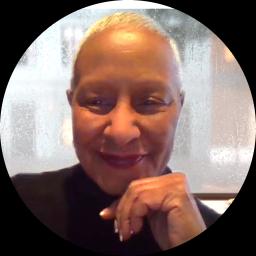
About Nia
Her sessions center on clear, practical conversation. She uses approaches like cognitive behavioral work, acceptance and commitment ideas, and emotion-focused methods to help people notice what matters and shift patterns that no longer serve them. She also draws on client-centered listening and skills from dialectical behavior work when emotional regulation is needed.
In the room she helps people name unhelpful thoughts, try new ways of responding, and practice small changes between meetings. This can include coping skills for cravings, strategies to reduce repetitive negative thinking, or steps to improve communication with a partner or adult child. She explains therapeutic tools in plain terms and sets straightforward goals with each person.
Nia has supported people through life transitions common later in life, such as shifting roles after retirement, adjusting to health and caregiving demands, and grieving losses. Her style is steady and goal-oriented, focused on practical changes rather than jargon.
To begin, prospective clients complete a short matching questionnaire and schedule a first session. Fees vary by location and use a subscription that can be canceled at any time.
Areas of expertise
Primary focus
Also works with
Additional focus areas
Therapeutic approaches
Experience
30+ years
Credentials
North Carolina
Languages
English
How her approaches translate to online work
The therapist commonly uses Acceptance and Commitment Therapy and Cognitive Behavioral Therapy. ACT helps people notice what matters in life and take values-based steps even when difficult thoughts or feelings show up. CBT focuses on noticing unhelpful thought patterns and practicing different responses to reduce symptoms like low mood or anxiety.She also uses client-centered methods which prioritize listening and building a collaborative plan. Finding the right mix of approaches is part of the process. The therapist will work together with each person to decide which methods fit their goals, preferences, and practical needs.
Session formats are not specified in the biography, so confirm current options before booking. Many people find online work useful because it can fit into a busy day, avoid travel time, and make it easier to keep appointments around caregiving or medical needs. Other practical benefits include shorter check-ins when a quick update is needed and options that reduce the need to be on camera for every meeting. Ask about the exact session formats offered when you schedule.
Frequently asked questions
What kinds of concerns does she address?
She works with addictions, trauma and abuse, intimacy and relationship problems, depression, self-esteem, ADHD, and related issues such as caregiver stress and aging and geriatric issues.
What is her therapeutic style?
She blends client-centered listening with practical methods from CBT, ACT, DBT, and emotionally-focused work to help people change unhelpful patterns and build skills.
How much experience does she have?
She has 30 years of professional experience working with adults on a wide range of mental health and relationship concerns.
Where is she licensed?
She is a North Carolina Licensed Clinical Mental Health Counselor (NC LCMHC) practicing in North Carolina.
In which languages can sessions be held?
Sessions are offered in English.
Does she work with international clients?
She is not currently accepting international clients.
How are sessions paid for and what does it cost?
Fees vary with location and therapy uses a subscription billing model that can be canceled at any time.
How do I start a first session?
Select the See online therapy options button, complete a short matching questionnaire, and schedule your first session.