- Grief and loss
- Caregiver stress
- CBT and mindfulness
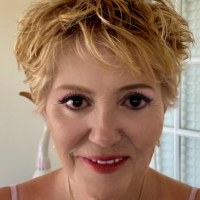
About Mary
Her experience spans community health, in-home health care, hospitals, hospice, inpatient mental health, schools, and group settings. This means she has supported people in different stages of illness, loss, and recovery. She has delivered individual counseling, couple support, family work, and group sessions in those settings.
Mary uses practical methods drawn from client-centered therapy, cognitive behavioral therapy (CBT), dialectical behavior therapy (DBT), mindfulness, motivational interviewing, and narrative and solution-focused work. Sessions tend to focus on clear steps people can try between meetings, and on skills for managing mood, anxiety, and stressful situations.
Her style is interactive and respectful. She listens to what a person is facing and adapts the conversation to fit their needs. For someone dealing with caregiving demands, loss, or shifts after retirement, sessions aim to sort priorities and find manageable changes.
People who contact her often want help with grief, coping with medical illness, relationship communication, or stress tied to life transitions. Mary works with individuals to set goals and practice skills that fit their day-to-day life.
Areas of expertise
Primary focus
Also works with
Additional focus areas
Therapeutic approaches
Experience
26+ years
Credentials
North Carolina
Languages
English
How her approaches translate to online work
Mary commonly uses client-centered therapy and cognitive behavioral therapy in her practice. Client-centered therapy focuses on listening closely and helping people clarify their own goals and choices. CBT breaks problems into thoughts, feelings, and behaviors and teaches practical skills for changing unhelpful patterns; it is often used for anxiety, depression, and coping with life changes.She also draws on dialectical behavior therapy skills when emotion regulation and interpersonal effectiveness are central concerns. DBT skills teach attention and breathing exercises, distress tolerance techniques, and clearer ways to talk with others when feelings run high. These approaches aim to give concrete tools people can use between sessions.
Finding the best fit is part of the work. The therapist will discuss goals, try methods that match those goals, and adjust the plan based on what helps. That collaborative process means techniques may shift as needs and preferences become clearer.
Confirm the current session formats before booking, as formats are not listed in the biography. Online sessions can make it easier to fit meetings into a busy day, avoid travel, or use a shorter check-in if that suits the schedule. They can also allow people to keep appointments while managing caregiving or health constraints, though the exact options should be verified when arranging sessions.
Frequently asked questions
What concerns does she work with?
She works with depression, anxiety, grief, substance concerns, eating issues, trauma, relationship and family stress, caregiver strain, and aging-related life changes.
What is her therapeutic style?
She uses an interactive, client-centered approach and draws on CBT, DBT, mindfulness, motivational interviewing, narrative, and solution-focused techniques.
How much experience does she have?
She has 26 years of clinical experience across community health, hospital, hospice, inpatient, school, and in-home settings.
What are her credentials and where is she based?
She is a Licensed Clinical Social Worker (LCSW) licensed in North Carolina and practices from that state.
Which languages are supported?
Sessions are offered in English.
Can international clients work with her?
She does accept international clients; confirm details before scheduling.
How are sessions paid for?
Cost varies with location and sessions use a subscription that can be canceled at any time.
How do I begin working with her?
Select the See online therapy options button, complete a short matching questionnaire, and schedule a first session.