- CBT methods
- ACT techniques
- Attachment focus
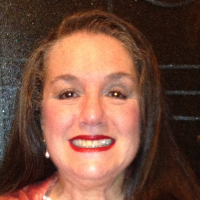
About Maria
She keeps sessions direct and conversational so talking feels like a real discussion rather than a lecture. She commonly uses Cognitive Behavioral Therapy to identify unhelpful thought patterns and then practices different ways of thinking and acting. Work between sessions is expected, including brief assignments and messaging to reinforce progress.
Maria also draws on Acceptance and Commitment Therapy and attachment-based ideas when those approaches fit a person’s situation. That can mean learning to accept difficult feelings while choosing actions that match personal values, or looking at early relationship patterns that still affect current connections.
She offers practical tools and clear guidance rather than abstract theory. Sessions include skill-building, behavioral experiments, and steps to change thinking that fuels distress. For people coping with substance use in a loved one, she addresses codependency and how to set boundaries.
Maria provides opportunities for spiritual reflection if a client requests it, framed around the God of the client’s understanding. She works in both English and Spanish and practices from her Florida license as an LMHC.
Areas of expertise
Primary focus
Also works with
Additional focus areas
Therapeutic approaches
Experience
13+ years
Credentials
Florida
Languages
English, Spanish
Therapeutic approaches used in online sessions
Maria commonly uses Cognitive Behavioral Therapy and Acceptance and Commitment Therapy in her work. CBT focuses on identifying and changing unhelpful thoughts and behaviors with practical exercises and small experiments. That approach often helps with anxiety, depression, sleep problems, and patterns that make relationships harder.ACT teaches acceptance of difficult feelings while helping someone commit to actions that reflect their values. It can be useful for coping with life changes, caregiver stress, and ongoing worry when avoidance has become a pattern. She also draws on attachment-based ideas to notice how early relationship habits affect current connections and intimacy.
Finding the right approach happens together. The therapist will talk with the client about goals and daily life and then suggest which methods to try first. That plan can be adjusted over time based on what is most helpful.
The original profile does not list specific session formats, so confirm current online options before booking. When available, online work can make it easier to fit sessions into busy days, allow shorter check-ins, and remove travel time. It also supports doing between-session tasks like messaging and homework that the therapist uses to reinforce progress.
Frequently asked questions
What kinds of problems does she help with?
She helps people with stress, anxiety, depression, relationship and intimacy issues, addiction concerns, and problems tied to life changes including aging and geriatric issues.
What is her general approach in sessions?
She uses a direct, conversational style and practical skills work. Cognitive Behavioral Therapy is a primary method, with some Acceptance and Commitment and attachment-based strategies as needed.
How much clinical experience does she have?
She has 13 years of experience working with clients on a range of mood, relationship, and coping concerns.
What credential does she hold and where does she practice?
She is an LMHC licensed in Florida and practices from that state.
Can sessions be conducted in other languages?
Sessions are offered in English and Spanish.
What session formats are available?
The biography does not list specific session formats. Please confirm current session options before booking.
How are fees handled?
Cost varies with location and sessions use a subscription that can be canceled at any time.
How do I begin working with her?
Select the See online therapy options button, complete the short matching questionnaire, and schedule a first session.